Portugal's Douro Valley by Night Train: Riding the Comboio Histórico from Porto to the Wine Country
 L. Carver
Few train journeys in Europe combine history, scenery, and genuine pleasure the way the Douro Valley historic train does. Running seasonally from Régua through the terraced vineyards of northern Portugal, the Comboio Histórico do Douro is a short ride that punches well above its mileage. Steam locomotive, vintage wooden carriages, port wine at your elbow: the whole thing feels slightly too good to be real.
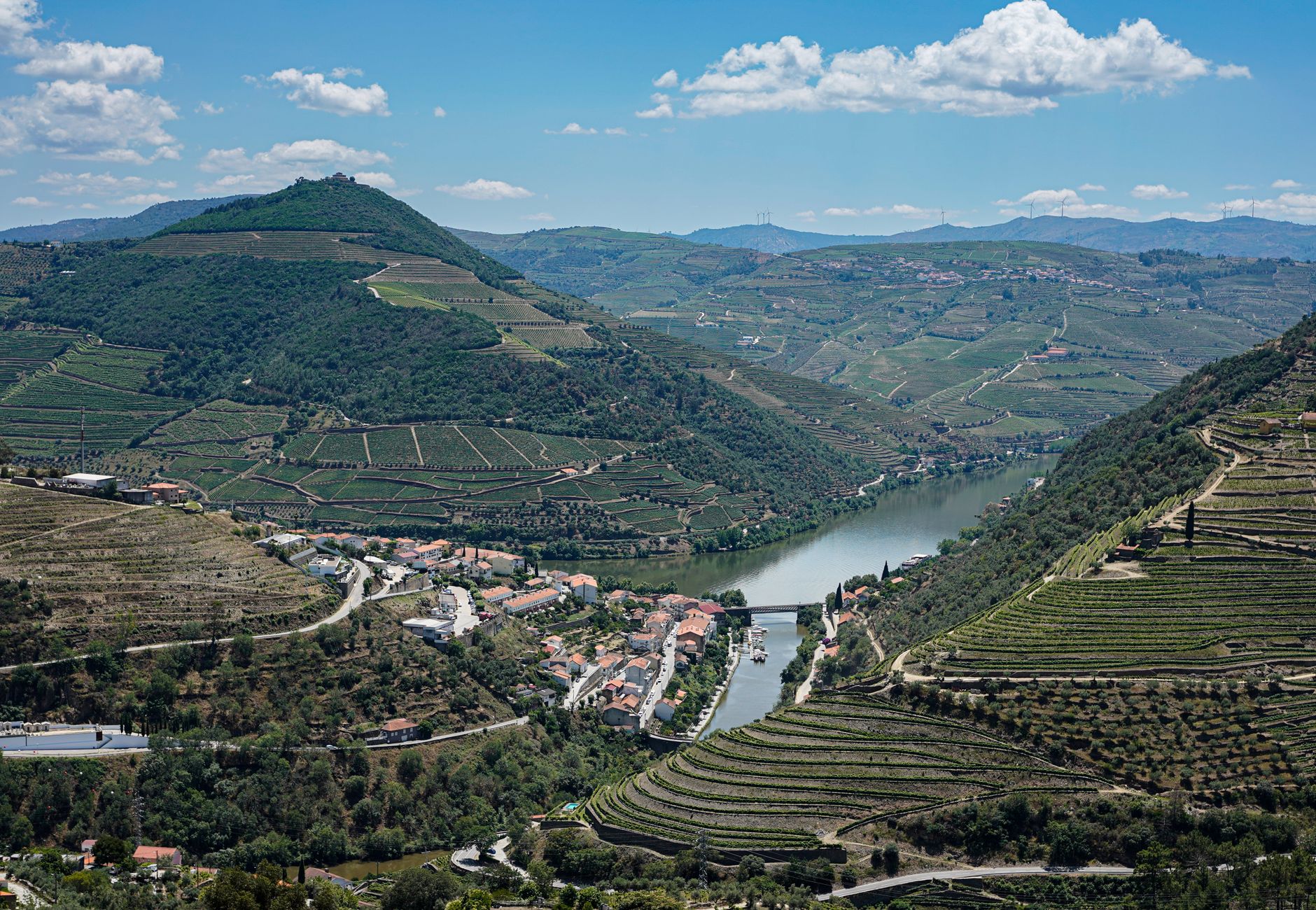 Photo by Matheus De Moraes Gugelmim on Pexels.
This post focuses on the historic steam service, which is distinct from the regular CP (Comboios de Portugal) regional trains that run the full Porto–Pocinho corridor. Both are worth your time. But if you can only do one, the Comboio Histórico earns its reputation.
The Route: Régua to Tua (and Back)
The historic service typically runs on weekends between May and October, departing from Peso da Régua and travelling east to Tua, with stops at Pinhão. That's roughly 34 kilometres of river-hugging track, with the Douro below and terraced quintas climbing the hillsides above. The landscape is a UNESCO World Heritage Site, and you'll understand why within the first ten minutes.
Pinhão is the highlight. The station itself is a small masterpiece: its waiting room walls are covered in traditional azulejo tile panels depicting scenes of the harvest and river life. Spend time here. The train usually holds long enough for photographs and a glass of something local from the station café.
Total journey time from Régua to Tua runs about 90 minutes. The return trip covers the same track in reverse, which sounds repetitive but isn't. Late afternoon light on the river is a different experience entirely.
Getting to Régua
From Porto's São Bento station, regular CP trains run to Régua in approximately two hours along the Douro Line. That journey alone rewards a window seat: the train follows the river from Caíde, and the valley opens up gradually as you travel east. Book these tickets through the CP website or at any station counter. Advance booking is sensible on weekends in summer, though not always essential.
Some visitors take a river cruise from Porto to Régua and catch the historic train from there, combining river and rail in a single day. It works logistically, though it makes for a long one.
Booking the Historic Train
Tickets for the Comboio Histórico sell out. This is not a warning to take lightly. The carriages are limited in capacity, and the service has become genuinely popular with both international visitors and Portuguese travellers reclaiming a piece of their own heritage. Book directly through the CP website or via the tourist operator Douro Azul, which runs the service in partnership. A round-trip ticket from Régua costs in the range of €30–€40 per adult, inclusive of a wine tasting at a local quinta during the journey.
Yes, there is a wine tasting built into the trip. This is Portugal.
What to Bring and What to Expect
The carriages are original vintage stock, which means wooden slatted seats and no air conditioning. In July and August, that can mean genuine heat. Dress accordingly, carry water, and embrace the experience rather than fight it. Open windows are part of the appeal, and the breeze from the valley is usually enough to make things bearable.
Photographers should sit on the river-facing side (left side heading east from Régua). The light in morning departures hits the far bank beautifully. Afternoons offer warmer tones and longer shadows across the terraces.
Children take to this train immediately. The steam engine, the whistle, the slow pace through vineyard country: it delivers the kind of travel experience that feels more vivid in memory than almost anything faster ever could.
Beyond the Historic Train
If you're spending more than a day in the Douro, the regular CP Douro Line service extends all the way to Pocinho, running through increasingly dramatic and remote terrain past Tua. This stretch sees far fewer tourists, and the scenery in the upper Douro valley has a rawer, less curated quality that rewards the patient traveller. Some of the quintas along this route offer overnight stays; arriving by train and walking up through the vines to your accommodation is an experience that no transfer van can replicate.
The Douro by rail is, at its best, an argument for slowing down: not as an abstract philosophy, but as a simple practical decision. The faster you go through this valley, the less you see. The train keeps you at exactly the right speed.
Get Rail Retreat in your inbox
New posts delivered directly. No spam.
No spam. Unsubscribe anytime.