Namibia's Desert Express: Riding the Overnight Train from Windhoek to Swakopmund Through the Namib
 L. Carver
Namibia does not ease you in gently. From the moment you board the Desert Express at Windhoek's compact central station, the landscape outside the window makes its intentions clear: this is one of the most singular stretches of terrain on the planet, and the train is going to show you every hour of it.
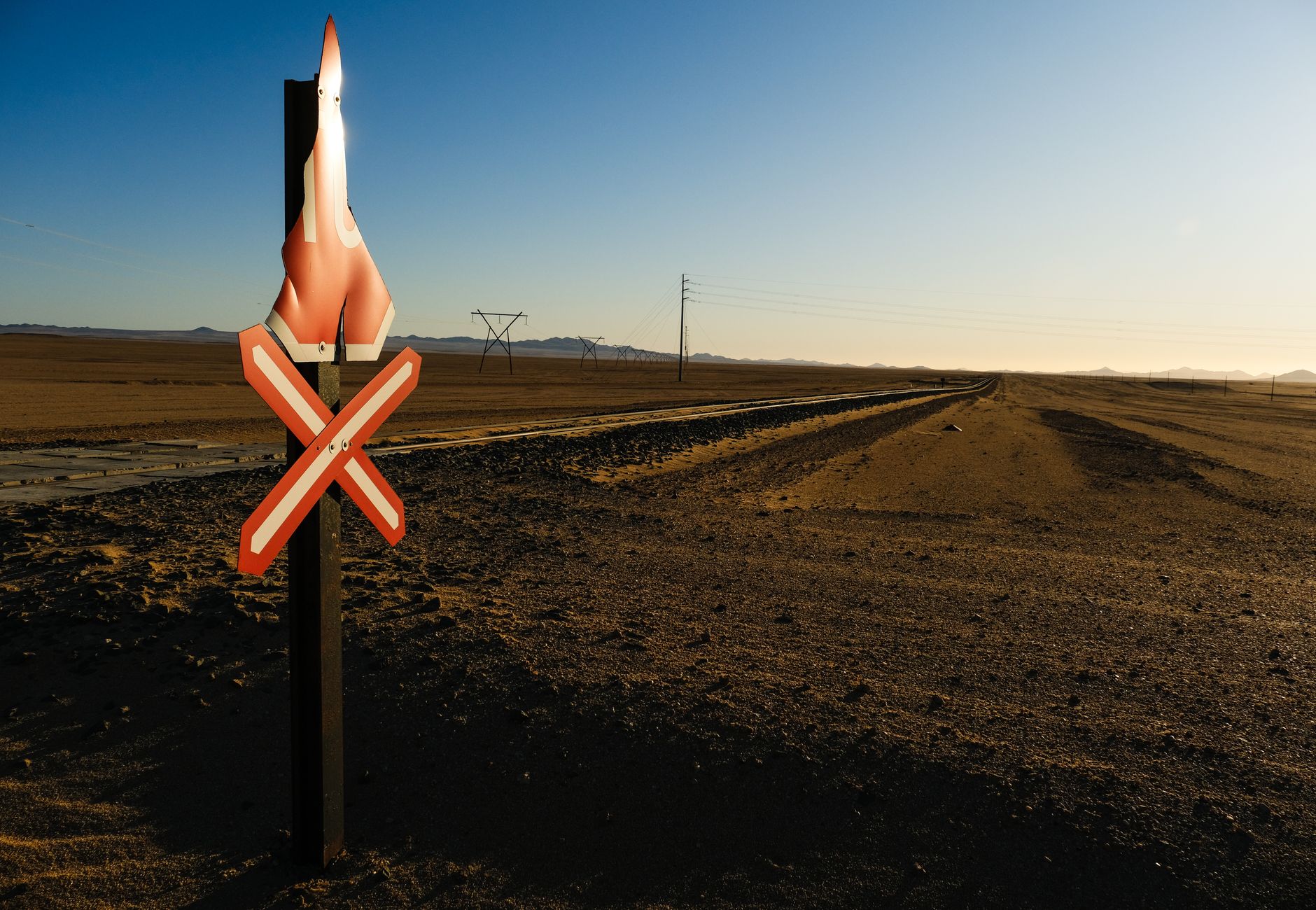 Photo by Francesco Ungaro on Pexels.
The Desert Express runs between Windhoek and Swakopmund, covering roughly 380 kilometres of Namibian interior and coastal approaches. TransNamib operates the service as a tourist train rather than a commuter workhorse, which means the pace is deliberately unhurried. Departures typically leave in the late afternoon, putting sunset over the central plateau squarely in your window. By the time darkness settles over the Namib-Naukluft region, you are already deep in the quiet.
The Train Itself
Twenty-four passengers maximum. That number matters. Unlike larger tourist trains where the corridors feel like hotel hallways, the Desert Express has an intimacy that forces you into conversation with fellow travellers whether you planned on it or not. Cabins are compact but properly equipped: fold-down beds, private shower rooms, a small writing desk. The lounge car carries Namibian wines and a menu built around game meat. Oryx fillet, kudu carpaccio, springbok stew. The kitchen is tiny and the chef works around it with evident experience.
The observation car at the rear is where you will spend most of your waking hours. It is open-sided, ringed with a low railing, and faces backward so the landscape peels away from you rather than approaching. Watching the track disappear into the Namibian distance from that platform is the kind of experience that makes you understand why people describe train travel as meditative.
What the Desert Looks Like at Dawn
Something specific happens between 5:00 and 6:30 in the morning as the train crosses the western approaches of the Namib. The light arrives sideways, raking across the gravel plains and ancient drainage channels called riverbeds that carry water perhaps once a decade. The colours shift through burnt orange, pale gold, and a grey-green that the sparse vegetation contributes. Welwitschia plants, some over a thousand years old, appear as dark smudges against the pale soil. You will not see them unless you are already awake and watching.
Set an alarm. Seriously. Missing that light is the one genuine regret passengers report.
The Scheduled Stop at Ebony
Midway through the journey, the Desert Express makes a stop at the Ebony siding for a sunrise bush walk. A guide boards at a pre-arranged point and leads passengers out onto the gravel plains for roughly ninety minutes. The silence out there is almost physical. No roads nearby, no aircraft overhead, just the creak of cooling rail metal and the wind moving through sparse grass.
This stop is where the train's pacing philosophy becomes obvious. You are not being rushed through Namibia. You are being deposited into it, briefly, and then collected again. The difference between looking at a desert through glass and standing in one, even for an hour, changes how the rest of the journey registers.
Arriving at Swakopmund
Swakopmund is a genuinely strange place to arrive by train. A colonial-era German coastal town sitting at the edge of the Namib where it meets the cold Benguela Current of the South Atlantic, the architecture is Bavarian and slightly surreal against the desert backdrop. The train pulls in during the mid-morning, which gives you the whole day in town before most tour groups arrive by road from Windhoek.
The proximity to the Skeleton Coast, Sandwich Harbour, and the towering dunes of the Namib-Naukluft means the majority of Desert Express passengers treat Swakopmund as a basecamp for at least two or three nights. Quad biking over dunes, kayaking with seals at Cape Cross, or simply sitting at one of the beachfront cafes watching the fog roll in off the Atlantic: all of these feel earned after the overnight crossing.
Practical Considerations
Booking opens through TransNamib's website and select African safari operators. Rates hover around USD 380-450 per person for the overnight journey inclusive of meals, which positions this well below comparable luxury trains in South Africa while offering something those services cannot: true wilderness solitude. The train runs on a limited schedule, often just a few departures per month, so build this into your itinerary early.
The best months are May through September, when Namibia's dry season keeps temperatures manageable and the air clear enough to see the Milky Way from the observation car roof without any interference.
One more thing worth saying plainly: the Desert Express is not fast, not modern, and not trying to be either. What it offers instead is unhurried access to one of Africa's most extraordinary landscapes, served at exactly the right speed to actually absorb it.
Get Rail Retreat in your inbox
New posts delivered directly. No spam.
No spam. Unsubscribe anytime.