Riding the Jacobite Steam Train: Scotland's Harry Potter Railway Through the Highlands
 L. Carver
Few train journeys in the world carry quite as much weight as the Jacobite. There's the scenery, obviously: sea lochs, heather moorland, ancient mountains that look like they've been here since the earth cooled. Then there's the viaduct. The moment the locomotive swings out over Glenfinnan and the whole sweep of Loch Shiel opens below you, it's difficult not to feel something shift.
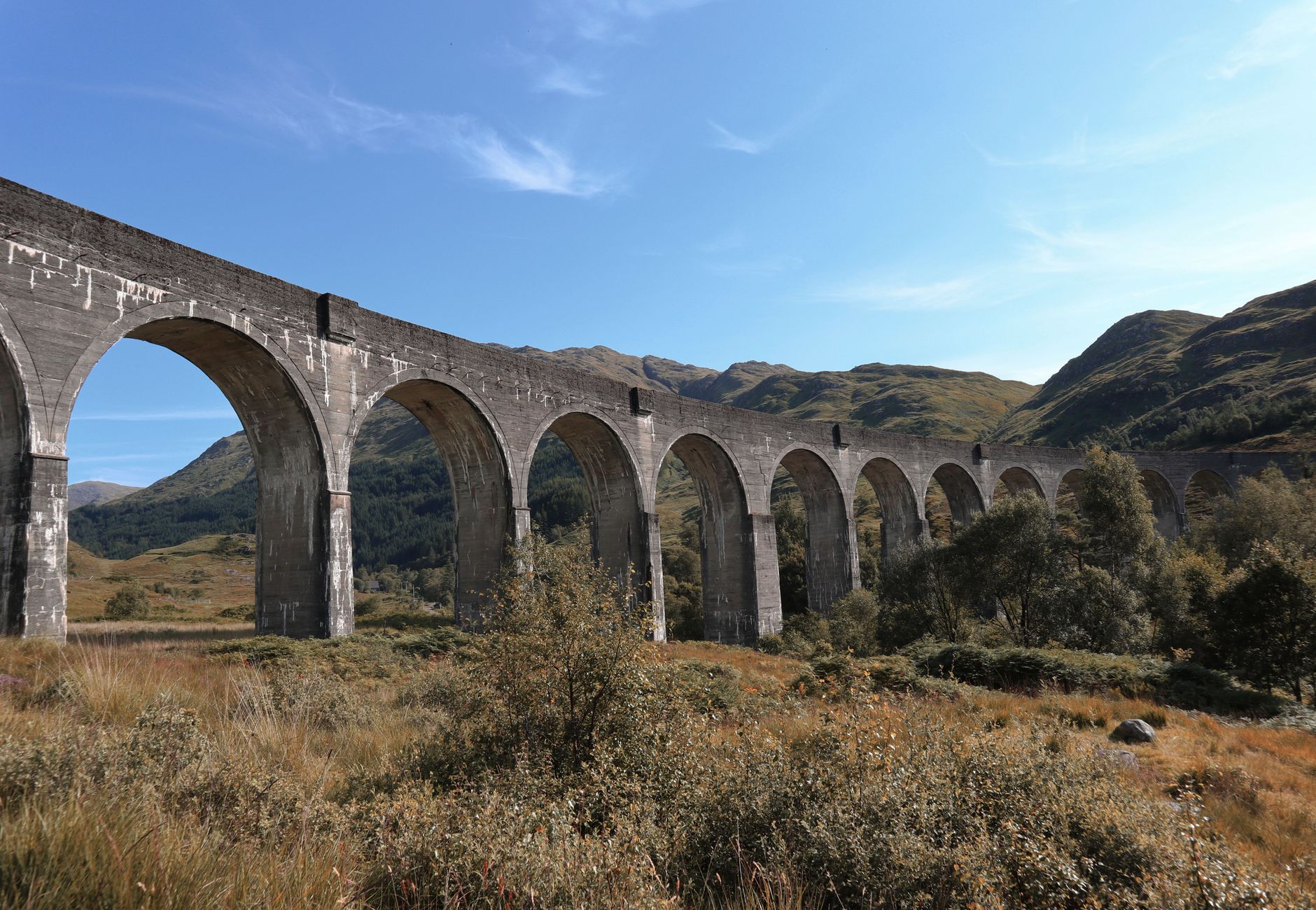 Photo by
 The Jacobite runs between Fort William and Mallaig, covering 41 miles of the West Highland Line in around two hours each way. It operates seasonally, typically from May through October, under the stewardship of West Coast Railways. The locomotives used are genuine British Railways Standard Class steam engines from the 1950s, overhauled and maintained with obvious care. This isn't a theme park attraction dressed up as a railway. The coaches are heritage stock; the smells, sounds, and rhythms are the real thing.
Getting There and Booking
Fort William sits at the southern end of the Great Glen, roughly 2.5 hours from Glasgow by rail on the West Highland Line itself (a spectacular journey worth its own morning). Most visitors arrive by train from Glasgow Queen Street, though the town is also accessible by bus from Inverness and by car via the A82.
Booking the Jacobite early matters. The train runs once daily in each direction during peak season, with a morning departure from Fort William at 10:15 and a return from Mallaig at 14:10. Tickets sell out weeks, sometimes months, ahead in July and August. Book directly through the West Coast Railways website rather than third-party aggregators; the pricing is the same and you avoid unnecessary confusion over reserved seating.
Seat choice is worth thinking about carefully. The viaduct view opens on the right-hand side traveling from Fort William toward Mallaig, so aim for a right-side window seat. Corridor seats in the older compartment coaches offer excellent photo angles from the open windows, which you can actually lower. This detail alone separates the Jacobite experience from anything on modern rolling stock.
The Route Itself
Out of Fort William, the train crosses Loch Eil and begins climbing through birch woodland and bog toward Glenfinnan. The Glenfinnan Viaduct crosses 21 arches at a height of 30 meters above the valley floor. Built between 1897 and 1901 by Robert McAlpine using mass concrete (a technique so new at the time it earned him the nickname "Concrete Bob"), the structure has carried trains for well over a century without significant structural repair.
The train pauses at Glenfinnan station for about 20 minutes. Walk down to the visitor centre or simply stand on the platform and watch the locomotive run around the train. The station museum is small but genuinely interesting, with photographs and artifacts from the line's construction era.
Beyond Glenfinnan, the route becomes increasingly wild. Loch Eilt appears through the trees, then Loch Ailort, then the sudden brightness of the Atlantic coast at Arisaig. On clear days, the Small Isles: Rum, Eigg, and Muck sit on the horizon like dark shapes cut from the water. Mallaig itself is a working fishing port, compact and unsentimental, with excellent seafood if you have time before the return train.
The Harry Potter Dimension
Yes, Glenfinnan Viaduct appears in multiple Harry Potter films as the Hogwarts Express crosses it. The connection has brought a new wave of visitors who might never have considered a Scottish steam railway otherwise. That's worth celebrating rather than dismissing. Many of those visitors discover, once aboard, that the actual experience outstrips any cinematic version.
That said: book early if you're traveling in the school summer holidays. The filming association means the July and August trains are packed with families, and the viaduct stop becomes crowded. A late-season September or October departure rewards patience with golden bracken, quieter coaches, and low autumn light across the lochs.
Practical Notes
Bring layers regardless of the forecast. The West Highlands operate by their own meteorological rules. A waterproof jacket and a decent camera are the two non-negotiable items.
The return trip from Mallaig back to Fort William covers the same ground in reverse, which sounds repetitive but rarely feels it. Morning light from the east differs entirely from afternoon light from the west, and the viaduct catches the difference beautifully. If you can spare the day rather than the half-day, take both directions.
Some travelers combine the journey with a CalMac ferry crossing from Mallaig to Armadale on Skye, then travel back to Fort William by road or bus. It's a longer day but turns a train excursion into a proper Highland loop.
The Jacobite isn't trying to be the longest railway in the world, or the fastest, or even the most remote. What it offers is rarer: a short, perfectly formed journey where every mile earns its place. Forty-one miles of Scotland at its most unapologetic, behind a steam locomotive, with the windows down.
Get Rail Retreat in your inbox
New posts delivered directly. No spam.
No spam. Unsubscribe anytime.