Nepal's Himalayan Railway: Riding the Janakpur-Jayanagar Narrow Gauge Through the Terai's Forgotten Flatlands
 L. Carver
Most people picture Nepal and see mountains. Everest base camps, altitude sickness, trekking permits. What they don't picture is a battered narrow gauge locomotive chugging across rice paddies and buffalo crossings somewhere south of the Himalayas, carrying pilgrims, vegetable sellers, and the occasional bewildered foreigner who somehow ended up here.
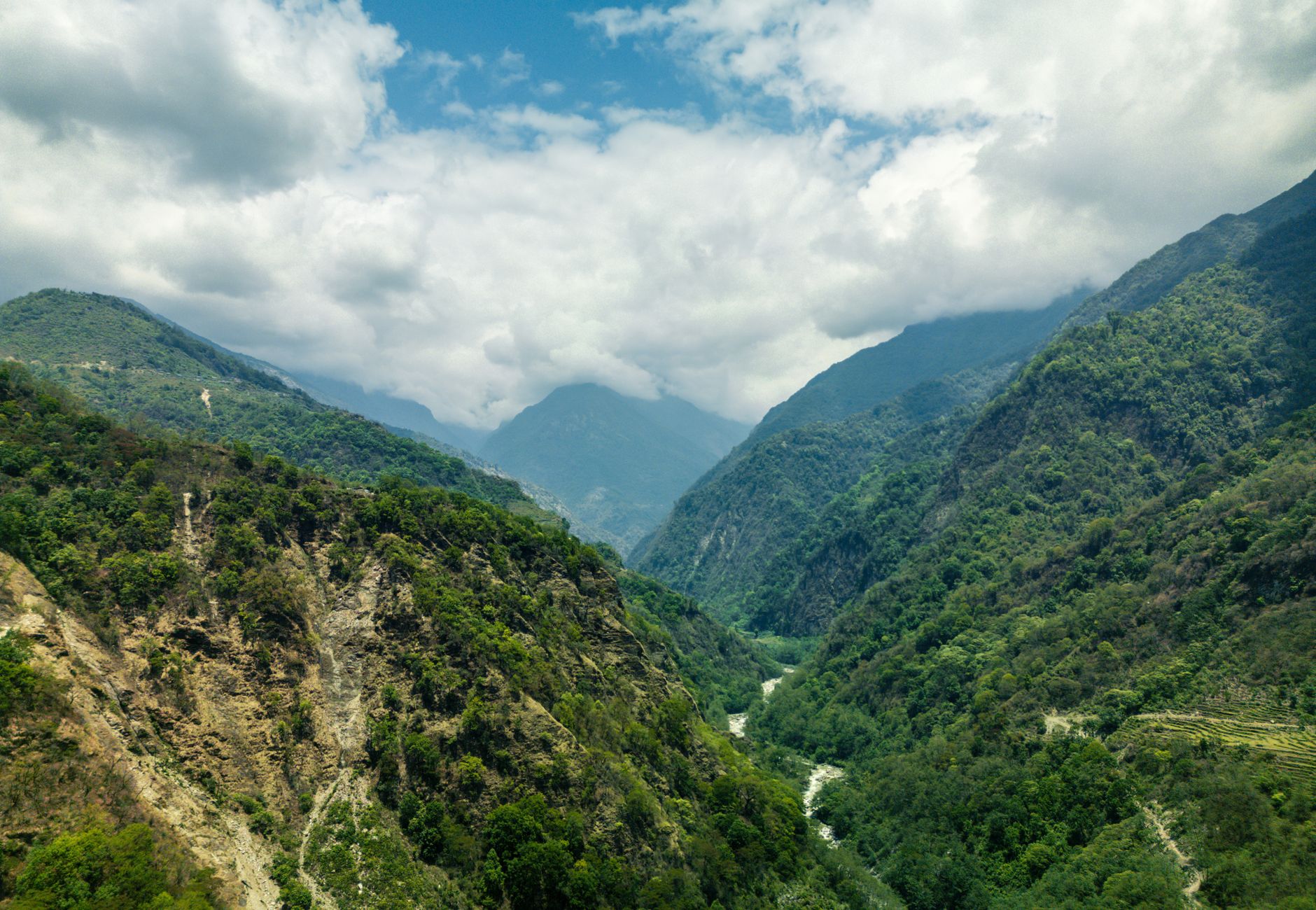 Photo by Abdul Kayum on Pexels.
That's the Janakpur-Jayanagar Railway. Nepal's only operating passenger line. Fifty-two kilometres of 762mm gauge track connecting the holy city of Janakpur to the Indian border town of Jayanagar. And it is, by almost every measure, one of the strangest and most rewarding rail journeys in South Asia.
A Railway Built for Sugar, Repurposed for Everything Else
British engineers built the line in 1937 to move timber and later sugar cane out of the Terai, Nepal's narrow subtropical lowland belt that runs along the Indian border. The logic was colonial and straightforward: get resources to the railhead at Jayanagar, load them onto the Indian broad gauge network, ship them south.
When the sugar cane economy collapsed, the railway didn't disappear. It transformed. Janakpur happens to be one of the holiest cities in Hinduism, widely believed to be the birthplace of Sita from the Ramayana. Pilgrims had been coming here for centuries by foot and ox cart. Suddenly they had a train.
Today the passenger service is operated by Nepal Railways Corporation, which took over from Indian Railways in 2014 after decades of cross-border management arrangements. The rolling stock tells its own history: aging diesel railcars that look like they've been repainted approximately seventeen times, bench seating worn smooth, windows that open with a hard shove.
What the Journey Actually Looks Like
graph LR
    A[Jayanagar Border] --> B(Khajuri)
    B --> C(Inarwa)
    C --> D(Tritiya)
    D --> E[Janakpur Station]
The train departs Janakpur station in the morning, and the correct approach to the schedule is to show up, ask around, and see what happens. Printed timetables exist. Their relationship with operational reality is more aspirational than binding.
Boarding itself is an event. Vendors press through open windows selling chai in clay cups, packets of biscuits, fresh sugarcane juice. A group of women in bright saris occupy one end of the carriage with baskets of vegetables destined for the Jayanagar market. A sadhu with a saffron robe and a mobile phone takes the seat across from you and immediately begins a loud phone call.
Then the train moves, and the Terai opens up.
This is flat country, which surprises people who came to Nepal for altitude. Wetlands thick with egrets. Villages of mud-brick homes with painted doorframes. Mustard fields in season, flooded rice paddies in the monsoon months. Goats on the track, which the driver handles by leaning on the horn until they relocate. Bicycles waiting at unmarked crossings where no barrier exists and no one seems particularly concerned.
The 52 kilometres takes roughly two hours when things go well. Sometimes they don't, and the journey stretches to three. Nobody on board appears to mind. This is a train that operates at the pace of the landscape it crosses.
Janakpur: The Reason to Come
Arrive in Janakpur and you understand why pilgrims have been making this trip for a thousand years. Janaki Mandir, the white marble temple dedicated to Sita, dominates the city centre with a Rajput-Mughal facade that stops you mid-step. On auspicious dates (check the Hindu calendar before you go), the crowds are extraordinary. Lakhs of pilgrims, flower garlands floating in sacred ponds, the smell of incense so thick it feels like weather.
The city itself warrants at least two nights. Mithila art, the traditional painting style of this region, covers walls and is sold in shops throughout the bazaar. The geometric patterns and bold colours originated as floor and wall paintings in local homes; they're now recognised globally, though Janakpur remains where the tradition lives with the most authenticity.
Practical Notes for Visiting
The best access point from Kathmandu is a bus or shared jeep to Janakpur, roughly eight hours on roads that improve every year but retain character. Fly if your time is short: Janakpur Airport has domestic connections. Then take the train toward Jayanagar, ride as far as the border formalities allow (Indian citizens cross freely; others should check current visa arrangements), and return by the afternoon service.
October through March is the most comfortable season. Summer means heat and humidity in the Terai that sits heavily on the chest. Monsoon floods occasionally disrupt the line for days at a stretch.
Come without grand expectations and with genuine curiosity. This train carries real people doing real things. The pilgrims aren't performing for anyone. The vegetable sellers aren't a photo opportunity. You're a guest in a working railway that has somehow survived economics, political change, and the complete indifference of the global travel industry.
That survival is the whole point. Some trains persist because they're too important to stop.
Get Rail Retreat in your inbox
New posts delivered directly. No spam.
No spam. Unsubscribe anytime.