Sweden's Inlandsbanan: Riding 1,300 Kilometres Through the Wild Heart of Scandinavia
 L. Carver
Few railways in the world ask quite as much patience from their passengers as Sweden's Inlandsbanan. Stretching 1,300 kilometres from Mora in Dalarna to Gällivare in Lapland, it takes roughly two days to ride end to end, stops in towns so small they barely register on maps, and travels at an average speed that a determined cyclist might challenge. That is, of course, the entire point.
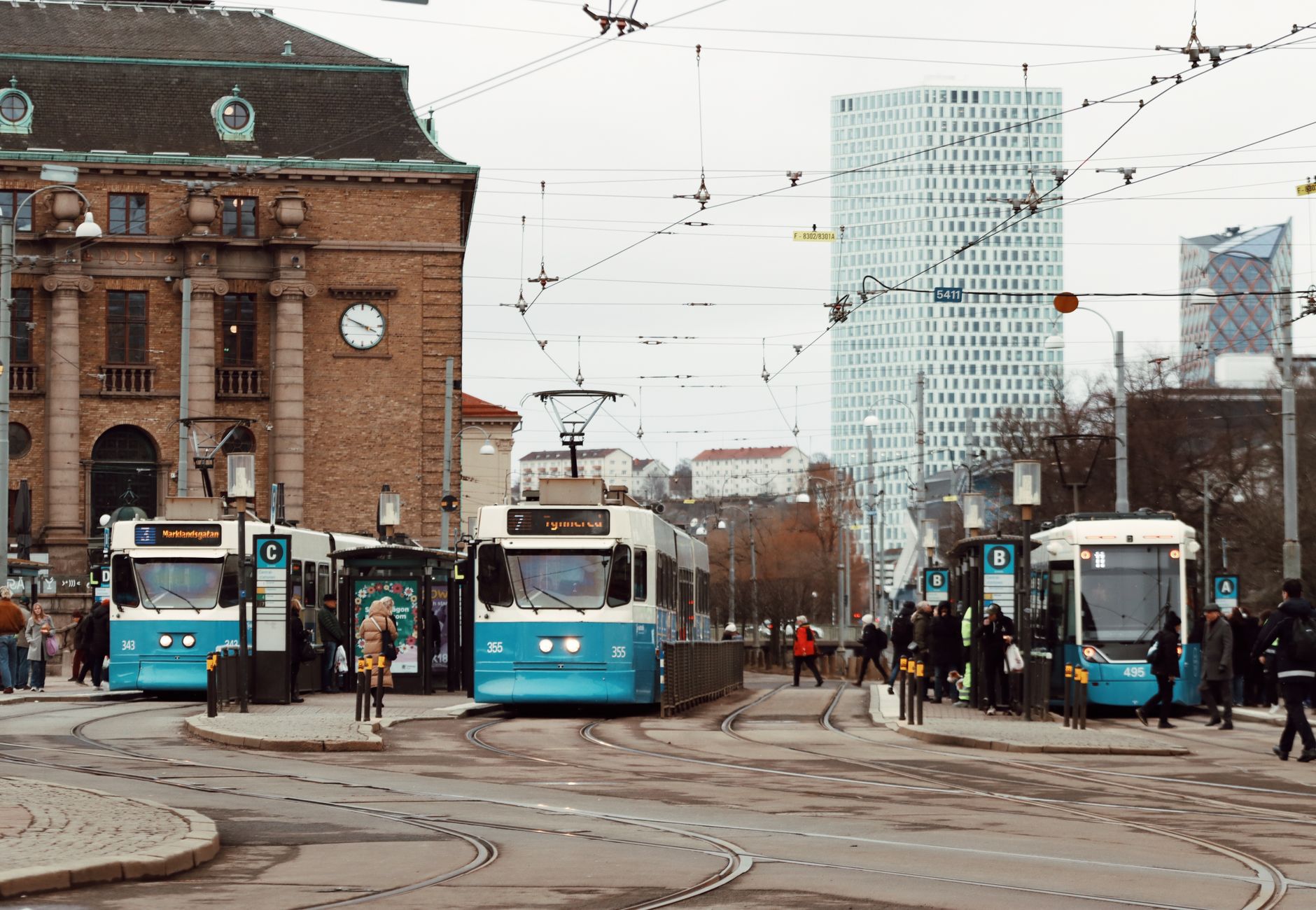 Photo by Efrem Efre on Pexels.
The Inlandsbanan (Interior Railway) was built in stages between 1908 and 1937, threading through the boreal interior of Sweden at a time when remote communities depended on rail connections for everything: timber, iron ore, mail, and human survival. By the 1990s, the national operator had largely abandoned it as uneconomical. A consortium of local municipalities rescued the route and turned it into a seasonal tourist railway, running from late June through August when the subarctic summer is in full, almost hallucinogenic bloom.
The Route
Mora is a pleasant lakeside town in Dalarna, already well north of Stockholm by a few hours on a regular SJ train. From here, the Inlandsbanan heads north with quiet determination. The first stretch passes through forested lowlands, small farms, and the occasional moose standing in a bog with the casual indifference of an animal that knows it has right of way.
Ostersund, roughly halfway up the route, makes the most logical overnight stop. It sits on Lake Storsjön, home to Sweden's own version of the Loch Ness monster (the Storsjöodjuret, or Great Lake Monster), and offers enough restaurants, museums, and waterfront walks to fill an evening comfortably. The railway museum here is worth a couple of hours if you want context for the line's history before continuing north.
Past Östersund, the country shifts. Trees get shorter. Lakes multiply. The sky starts to feel wider. By the time you reach Vilhelmina and then Arvidsjaur, the landscape carries that particular Arctic quality: vast, spare, lit at odd angles. In July, darkness never quite arrives. You eat dinner at 8 p.m. in full sunlight and wake at 2 a.m. to find the sky a deep amber rather than black.
Gällivare, the northern terminus, sits in the heart of Sápmi, the homeland of the Sámi people. The surrounding fells (Swedish: fjäll) are accessible on foot, and the nearby town of Jokkmokk, a short detour on a connecting bus, hosts one of Sweden's most important Sámi cultural centres.
Practical Details
The train runs once daily in each direction during the summer season, typically late June through mid-August. Tickets are reasonably priced, and a multi-day pass covers the entire route with unlimited hop-on, hop-off flexibility. This is worth using: getting off at Storuman to walk by the lake for an hour, then catching the next day's train north, is entirely the right way to do this journey.
Seating is comfortable but straightforward. A café car serves sandwiches, coffee, and Swedish cinnamon rolls. Guides sometimes board at certain stations to explain the route's history; the quality of these impromptu talks varies, but the enthusiasm is consistent.
Book accommodation in Östersund and Gällivare in advance if you're travelling in July. The midnight sun draws visitors from across Europe, and the better guesthouses fill up quickly.
Who This Journey Is For
Not everyone. Riders who need WiFi, dining cars, or speeds above 80 km/h will find this slow. The stops are long. The platform announcements are often in Swedish only. Moose crossings occasionally cause unscheduled delays.
For a certain kind of traveller, though, the Inlandsbanan is close to perfect. The windows are large, the scenery changes slowly enough to actually absorb, and the towns you pass through are real places with hardware stores and fishing boats and people going about their lives. Sweden without the Instagram version. That combination is increasingly rare on any form of transport.
Some train journeys are about spectacle: vertiginous viaducts, tunnel-blasted mountains, views that demand a photograph. The Inlandsbanan offers something quieter. Hundreds of kilometres of forest, the occasional church spire, a reindeer herd crossing the track. By the time you reach Gällivare with the Arctic fells rising behind the town, you feel you've actually crossed a country rather than merely transited it.
Get Rail Retreat in your inbox
New posts delivered directly. No spam.
No spam. Unsubscribe anytime.