Mexico's Copper Canyon Railway: Riding the Chepe Through One of North America's Great Wilderness Journeys
 L. Carver
Few train rides on earth drop you into wilderness this fast. Within an hour of leaving Los Mochis on Mexico's Pacific coast, the Chepe (short for Chihuahua al Pacífico) begins climbing through agave-studded desert, and then the canyon walls start closing in. By the time you reach the rim country near Divisadero, you're looking across a gorge system four times larger than the Grand Canyon of Arizona. Same country, same continent. Somehow this place remains criminally undervisited.
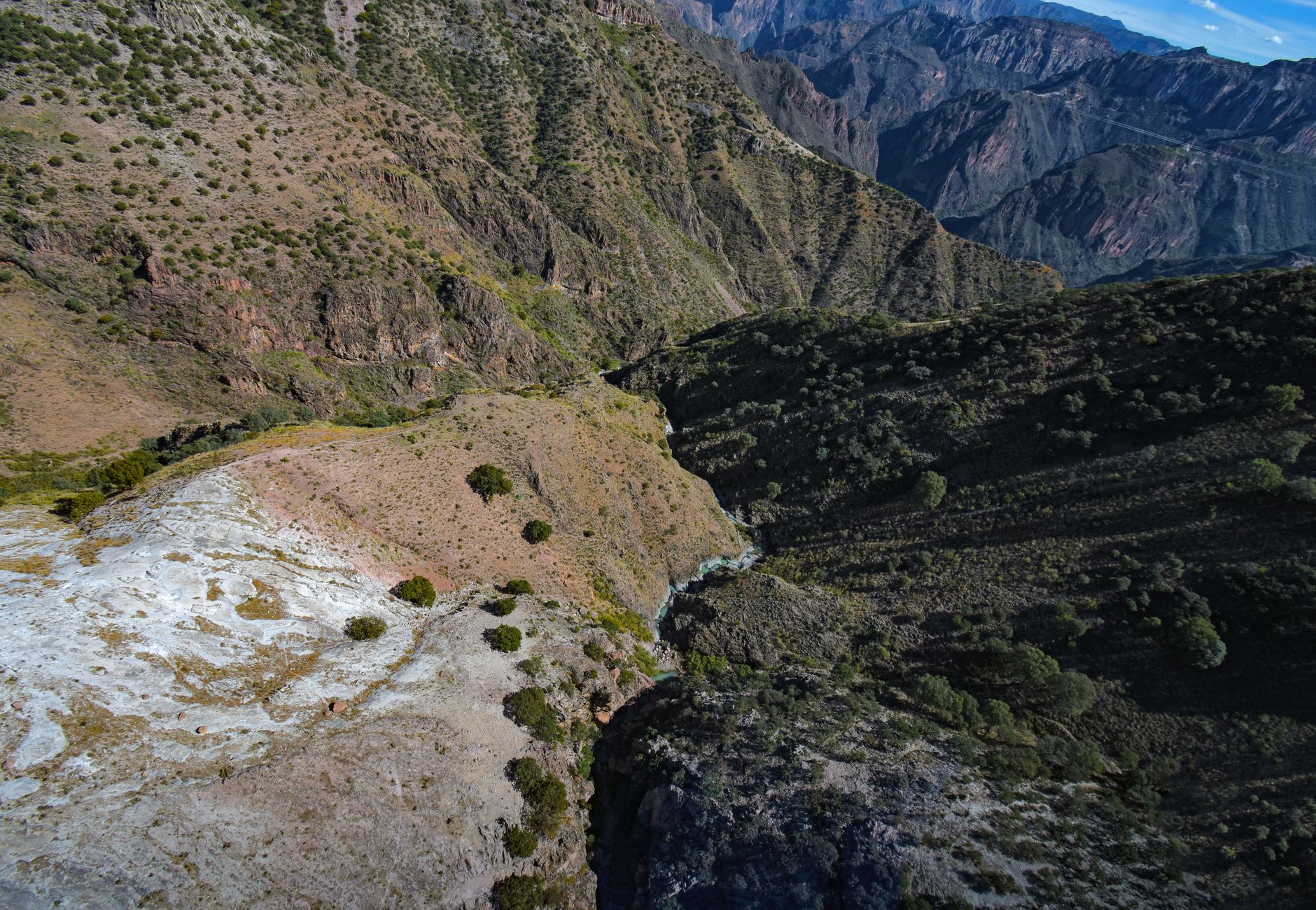 Photo by Leslie del Moral on Pexels.
The full route runs 653 kilometres from Los Mochis in Sinaloa to the city of Chihuahua in the north. It crosses 37 bridges and passes through 86 tunnels, numbers that tell you something about what the engineers faced when they finally completed this line in 1961 after nearly a century of stop-and-start construction. The terrain simply does not want a railway built through it. That stubbornness is the whole point.
Which Direction Should You Travel?
Most travelers board in Los Mochis heading northeast, which means you climb through the canyon's most dramatic section in the morning light. That's the better option. Departing Chihuahua, you'd be descending into the gorge during afternoon hours, and the low western sun can wash out the views considerably.
Two services run this route. The Chepe Express is the tourist-oriented option: reserved seats, a dining car, onboard commentary, and stops at the key viewpoints. Cheaper and slower, the Chepe Regional serves local Rarámuri (Tarahumara) communities and stops at nearly every village along the way. Ride the Regional at least once in your life. Watching a grandmother board at a trackside halt with a basket of handmade crafts, watching children sprint alongside the slowing train, watching the canyon open and close around you while the car fills with conversation in a language you don't know: that is the Copper Canyon experience.
Where to Stop
The railway's magic comes from stepping off.
Divisadero sits on the canyon rim at 2,400 metres and offers views that genuinely make your legs feel unreliable. Spend at least one night here. Creel is the main hub for hiking into the canyon interior, a small town with good guesthouses and trails leading to Tarahumara cave dwellings and waterfalls. El Fuerte, a colonial town near the Los Mochis end, makes an excellent first or last night and gives you time to absorb the lowland heat before the ascent begins.
A rough planning framework for a five-day trip:
graph TD
    A[Los Mochis / El Fuerte] --> B[Board Chepe at Los Mochis]
    B --> C[Bahuichivo - hike to Cerocahui]
    C --> D[Divisadero - canyon rim viewpoint]
    D --> E[Creel - canyon interior trekking]
    E --> F[Chihuahua - colonial city exit]
You can reverse this entirely or cut it shorter. Three days is the minimum that feels honest to the journey.
Practical Details Worth Knowing
The best months are October through November and March through May. Summer brings rains that obscure the views and make canyon trails slippery; winter at elevation means genuine cold (Creel sits above 2,300 metres). October specifically offers cool air, golden canyon light, and far fewer tourists than any European scenic railway would tolerate.
Bring cash. Many guesthouses and village vendors along the route don't have card readers. Download offline maps before you go; cell coverage disappears the moment the canyon swallows the train.
The Chepe Express requires advance booking, especially for October weekends. The Regional does not, but seats fill at major stops. Board early.
One more thing worth saying plainly: the Rarámuri people who live in the canyon and sell crafts at the viewpoints are not a tourist attraction. They are communities with deep roots in this landscape who have adapted (not always by choice) to the presence of visitors. Buy directly from artisans, ask before photographing anyone, and carry small bills so transactions don't become awkward.
The Chepe won't break any speed records. Between station stops, canyon walks, and unhurried meals at rim-top restaurants, a full crossing takes the better part of three days if you're doing it properly. That pace is exactly what makes it worth the journey. North America has plenty of fast trains. It only has one Copper Canyon.
Get Rail Retreat in your inbox
New posts delivered directly. No spam.
No spam. Unsubscribe anytime.