Sri Lanka's Coastal and Hill Country Railways: Two Train Journeys That Cover Everything Beautiful About the Island
 L. Carver
Sri Lanka punches well above its weight as a rail travel destination. For an island roughly the size of Ireland, it offers two completely distinct train journeys that together cover the full spectrum of what makes slow travel rewarding: the Hill Country line through tea plantations and misty mountain passes, and the coastal route that hugs the Indian Ocean from Colombo south to Galle and beyond. Serious railway travellers visit once and immediately start planning a return trip.
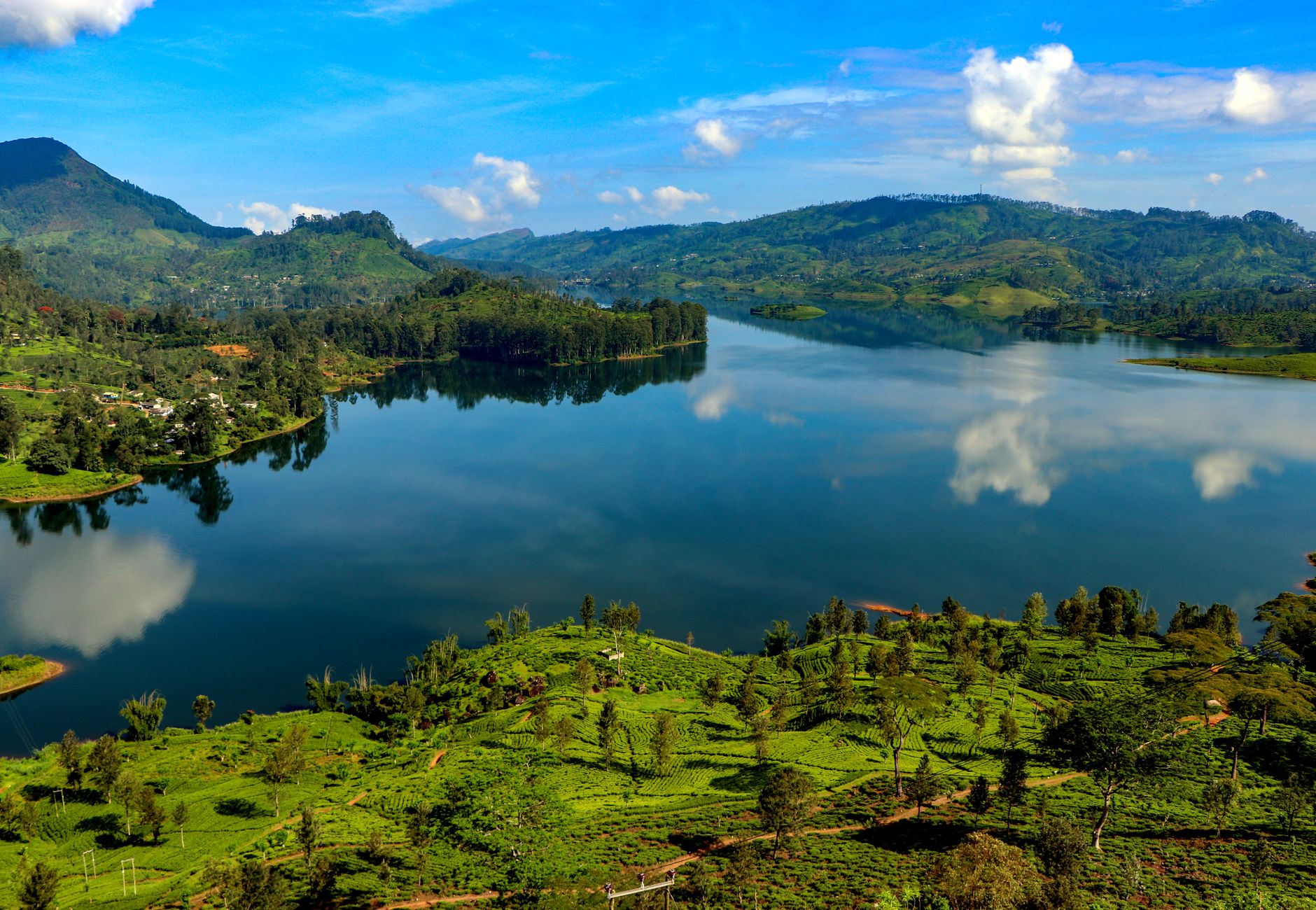 Photo by Anas Mohamed Nuski on Pexels.
The Hill Country Line: Colombo to Badulla
Board a train at Colombo Fort station and within two hours the city's heat and traffic feel like a different country. The line climbs steadily through rubber plantations before the landscape shifts into something genuinely extraordinary: endless rows of tea bushes draped across steep hillsides, colonial-era stations painted in faded cream and green, and waterfalls appearing without warning in the gaps between carriages.
The stretch between Nanu Oya (the stop for Nuwara Eliya) and Ella is the one that ends up on postcards. Nine Arch Bridge near Ella draws the most cameras, and for good reason. The viaduct's stone arches curve through dense jungle with a precision that still impresses a century after construction. Arrive at the right moment and you'll watch the train you just rode appear from the treeline like something from a dream.
Ella itself sits at 1,041 metres. The air is cool, the guesthouses serve good rice and curry, and the short hike to Little Adam's Peak takes about forty minutes. Many travellers spend a night or two before continuing to Badulla, the eastern terminus, where the line descends through drier country toward the coast.
Practical notes: Book the Observation Saloon car in advance through Sri Lanka Railways or a reputable local agent. Second-class reserved seating is perfectly comfortable and far cheaper. The full Colombo-to-Badulla journey takes roughly nine hours; most travellers break it with a night in Kandy or Nuwara Eliya. Travel between March and September for the clearest skies on the hill section.
The Coastal Line: Colombo to Galle
Few train journeys anywhere in the world put you this close to the ocean. South of Colombo, the coastal line runs so near the water that waves occasionally spray the windows during rough weather. Fishing boats bob just metres away. Children wade in the shallows while the train slides past with the unhurried pace that diesel-hauled Sri Lankan services tend to keep.
Galle, roughly two and a half hours from Colombo, rewards a full day's exploration. The Dutch Fort is a UNESCO World Heritage Site and genuinely earns the designation: the ramparts still stand, the streets within are lined with boutique hotels and bookshops, and the lighthouse at the southwestern corner offers a clear view back along the coastline you just rode.
The line continues past Galle to Matara and then further south to Beliatta, though most visitors stop at Galle or Mirissa. Mirissa has a decent whale-watching season between November and April, which pairs neatly with the train journey if you're planning the southern route in winter.
Practical notes: The coastal train is unreserved on most services, which means an early arrival at Colombo Fort secures a window seat. Sit on the left side of the train heading south for the best ocean views. The 8:55 AM departure from Colombo tends to be popular with travellers; the earlier 6:00 AM service is quieter and catches the morning light beautifully.
Combining Both Routes
A sensible itinerary runs the coastal line south first, spending two nights in Galle, then returning to Colombo and heading up into the hills. Reversing the order works equally well. What doesn't work is trying to rush either journey. The Hill Country line demands at least one overnight stop; Ella and Kandy both justify two nights if your schedule allows.
Sri Lanka Railways is not a luxury operation. Trains run late, carriages are worn, and the air conditioning on older stock is inconsistent. None of that diminishes the experience. The tardiness means lingering in stations, watching vendors pass through windows with bags of chilled coconut water and paper cones of roasted cashews. The worn seats mean sharing compartments with local families on long journeys. This is precisely what slow travel actually looks like when the brochure version gets stripped away.
Two rail lines, one small island. Together they form one of the most complete rail travel experiences in Asia, and the ticket prices remain some of the most affordable anywhere in the world.
Get Rail Retreat in your inbox
New posts delivered directly. No spam.
No spam. Unsubscribe anytime.