Norway's Bergen Railway: Crossing the Roof of Europe on Scandinavia's Most Spectacular Train Ride
 L. Carver
Rail Retreat is reader-supported. Some links below are affiliate links, and we may earn a commission on bookings or purchases, at no extra cost to you.
There are train journeys that pass through beautiful country, and then there are train journeys that make you question why you ever fly anywhere. Norway's Bergen Railway, the Bergensbanen, belongs firmly in the second category.
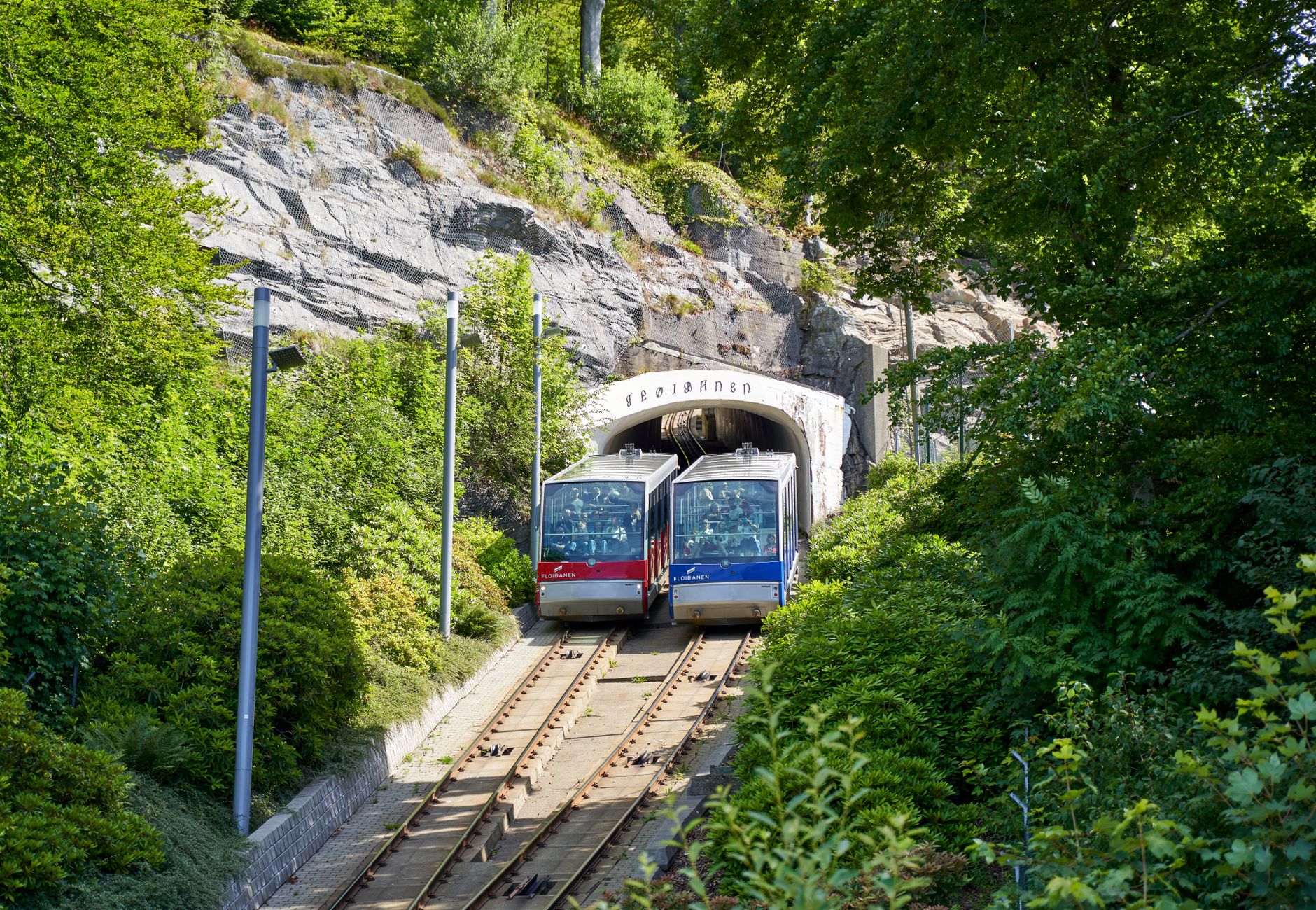 Photo by Barnabas Davoti on Pexels.
Stretching 496 kilometres between Oslo and Bergen, it crosses the Hardangervidda plateau, the largest high-mountain plain in northern Europe, at elevations approaching 1,300 metres. In winter, the tracks cut through a white void so absolute it feels like the train is moving through static. In summer, the plateau blooms into something softer, pale grasses, snowmelt streams, and light that barely dims past midnight. Either way, you won't be looking at your phone.
The Basics Worth Knowing
The journey takes roughly six and a half hours, which is exactly the right amount of time. Long enough to feel genuinely unhurried; short enough that you don't need a sleeping berth. Trains run multiple times daily, operated by Vy (formerly NSB), and the standard of comfort is high without being fussy, think clean carriages, panoramic windows, and a café car serving decent coffee and open sandwiches piled with smoked salmon.
Book through Vy's website or via Eurail if you're holding a pass. Seat reservations are mandatory on most departures and cost only a few euros extra, don't skip this step, because window seats on the right-hand side going westbound fill quickly. That right-side orientation isn't arbitrary: it positions you toward the fjord approaches as the train descends into Bergen.
What the Route Actually Looks Like
Oslo's Central Station is a good starting point, but the journey doesn't announce itself immediately. The first hour out of the capital runs through suburbs and pine forest, pleasant but unremarkable. Hold your patience.
Myrdal is the pivot point, a tiny mountain station at 866 metres where the Flåm Railway branches south toward the Aurlandsfjord. Most passengers on the Bergen Railway stay aboard, but if you have two days rather than one, getting off at Myrdal to ride the Flåmsbana down to Flåm and back is worth every extra hour. It's one of the steepest standard-gauge railways in the world, dropping 863 metres in 20 kilometres. Dramatic doesn't cover it.
Beyond Myrdal, the plateau opens up entirely. Finse, at 1,222 metres, is the highest station on the line and has no road access whatsoever, it exists entirely because of the railway. In winter, this stretch often requires snowploughs, and the station building itself doubles as a base for cross-country ski expeditions. The isolation feels deliberate, almost defiant.
Then the descent begins. Voss, a small town that punches above its weight for outdoor sports, signals the transition from high plateau to fjord country. From here westward, the terrain becomes steep and green, tunnels arrive in quick succession, and the windows start earning their keep.
Bergen at the End of the Line
Arriving in Bergen by train feels correct in a way that arriving by plane never quite does. The city reveals itself gradually, water first, then the colourful timber houses of Bryggen climbing the hillside, then the fish market. You've earned the arrival.
Bergen is worth two or three nights in its own right. Take the Fløibanen funicular for views back over the fjords. Eat at Lysverket if your budget stretches, the Norwegian coastal cuisine there is exceptional. Then consider your return: the overnight train back to Oslo, departing around 11 p.m. and arriving the following morning, transforms the same route into an entirely different experience.
Best Time to Ride
Honestly? Both extremes have the argument.
Winter (December–March): The plateau becomes a genuine wilderness. Snowdrifts press against the carriage windows, and the light, when it appears, is low and golden. Finse looks like the surface of another planet. Delays are possible, though Norwegian rail infrastructure handles winter with impressive reliability.
Summer (June–August): The midnight sun phenomenon, wildflowers across the plateau, and soft green fjord valleys on the descent. Peak tourist season means fuller trains, so book a week or two ahead.
Shoulder seasons, particularly May and September, offer a compromise: smaller crowds, unpredictable but often beautiful weather, and the kind of quiet that lets you actually notice the journey.
One Piece of Practical Advice
Don't romanticise the trip so hard that you forget to eat before Myrdal. The café car is fine, but the smoked salmon sandwiches sell out. Bring something.
Beyond that, the Bergen Railway mostly takes care of itself. Sit down, let Norway do the work, and remember why scenic rail travel exists, not as a slower version of flying, but as the point itself.
Get Rail Retreat in your inbox
New posts delivered directly. No spam.
No spam. Unsubscribe anytime.