Iran's Qeshm and Tabriz Lines: Riding the Rails Through Persia's Most Overlooked Corners
 L. Carver
Few rail networks on earth carry as much undeserved obscurity as Iran's. The country operates over 15,000 kilometres of track, runs air-conditioned overnight sleepers, and threads its trains through some of the most visually arresting terrain on the planet. Yet western travel writing largely ignores it. That gap is worth closing.
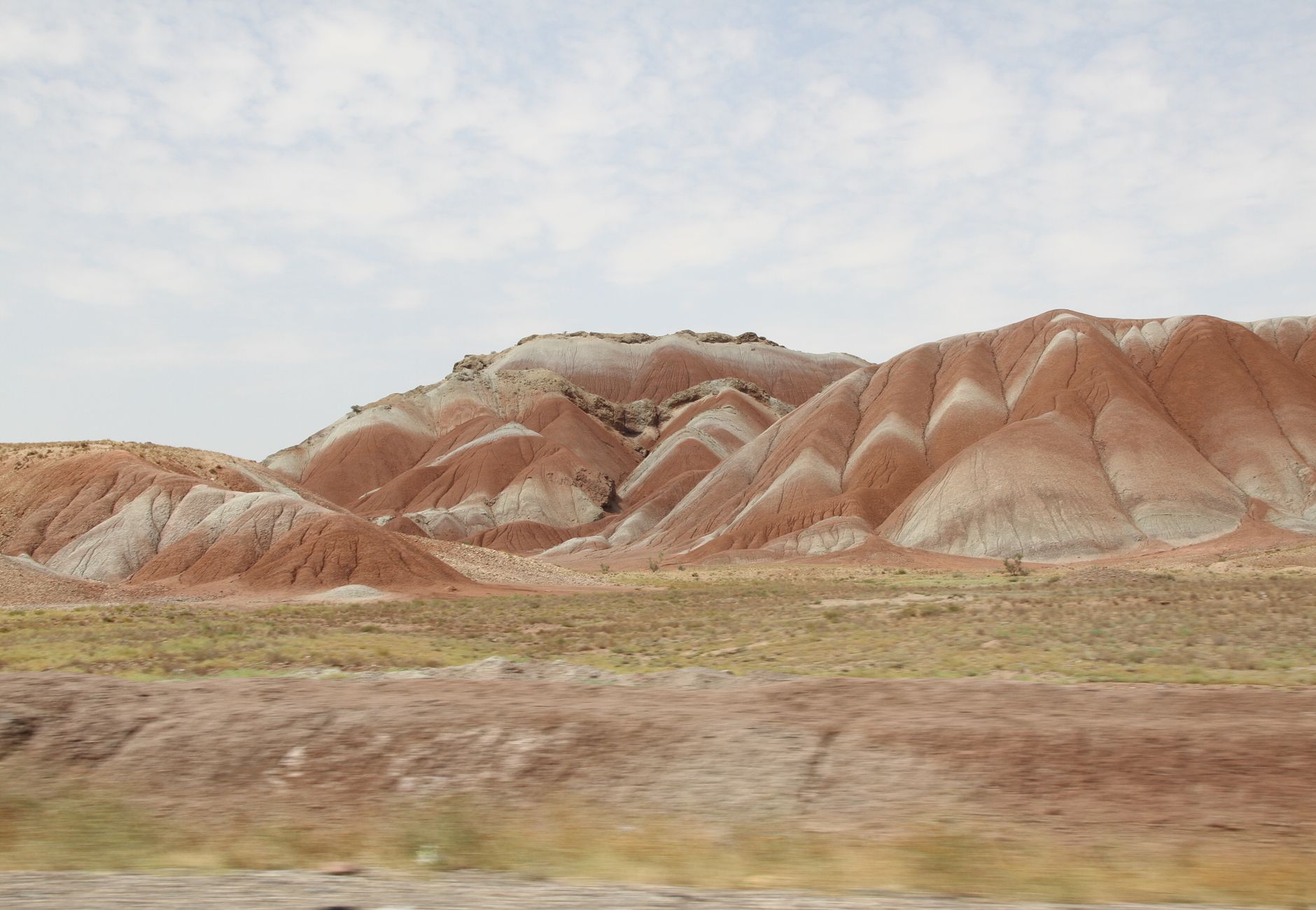 Photo by Mahdi Hajimohammadi on Pexels.
Tehran to Tabriz: Mountains, Volcanic Peaks, and a City That Predates Islam
The overnight train from Tehran to Tabriz departs Sadeghiyeh station in the early evening and arrives in Iran's northwestern capital before breakfast. That timing is not incidental. Book a couchette compartment, and you wake up as the train descends toward the Aras River valley, with Mount Sahand's extinct volcanic cone appearing through the window like something from a geography textbook's cover photograph.
Tabriz itself rewards the slow arrival. The Grand Bazaar, a UNESCO World Heritage Site, dates its current vaulted brick structure to the 13th century, though trade has flowed on this site for considerably longer. Arriving by train rather than domestic flight gives you a full morning before the bazaar fills with serious commerce.
The journey runs roughly 730 kilometres and takes between nine and eleven hours depending on the service. First-class couchettes are comfortable, the onboard tea service is taken seriously, and the price is a fraction of a comparable European sleeper. Single-sex compartments are available on request, which matters for solo women travellers planning the route.
Tehran to Isfahan: The Desert Crossing That Changes Color
Iran's busiest tourist corridor by rail connects the capital to Isfahan, and it deserves its popularity. The train crosses the northern edge of the Dasht-e Kavir, one of the world's great salt deserts, during a journey of around six hours. What photographs cannot convey is the color shift: the landscape moves from grey scrub to deep ochre to a bleached mineral white, depending on elevation and time of day.
Isfahanis will tell you the city's name comes from an old Persian phrase meaning "half the world." After a few days there, that claim starts to feel proportionate rather than boastful.
Services run multiple times daily. The faster Fadak Express does the route in just over five hours; the slower night train takes seven. Take the night train south. Take the day train on the return.
The Trans-Iranian Railway: A Feat of Engineering Still Worth Riding
Built between 1927 and 1938, the Trans-Iranian Railway connects the Caspian Sea coast to the Persian Gulf. UNESCO inscribed it as a World Heritage Site in 2021, recognising an engineering project that crosses two mountain ranges, passes through 224 tunnels, and required solutions to gradient problems that defeated most contemporary railway engineers.
The full route runs from Bandar Imam Khomeini in the south to Bandar Turkmen in the north: roughly 1,400 kilometres. Few travellers ride it end to end, but the section between Ahvaz and Tehran passes through the Zagros Mountains and offers some of the most dramatic rail scenery in Asia. Bridges hang above gorges where villages appear to have been placed there by accident. Tunnels open onto sudden panoramas.
This is not a high-speed route. Expect a full day of travel, some delays, and the particular pleasure of a journey that rewards patience.
Practical Notes for Booking
Iran's national rail operator, Raja Rail Transportation Company, runs most intercity services. Booking online from outside Iran requires navigating currency restrictions; travellers typically book through local agents or Iran-based tour operators who can handle ticketing on your behalf. Bring cash in euros or US dollars (exchangeable on arrival), as international cards do not function inside the country.
Best times to travel are spring (March to May) and autumn (September to November). Summer in central Iran is brutal in the cities but bearable on overnight trains; winter in the northwest around Tabriz can be strikingly beautiful if you're dressed for it.
A valid visa is required for most nationalities. Citizens of some countries can obtain a visa on arrival at Tehran Imam Khomeini International Airport. Check current entry requirements through your government's travel advisory well before departure, since the situation shifts.
Why This Route Matters
Iran's rail network represents slow travel in its most honest form: long distances, genuine landscape, and a country that most people only encounter through headlines. Sitting across from a retired schoolteacher from Shiraz who wants to practice his English, eating pistachios from a paper bag while the Alborz range slides past the window, you are nowhere near a headline. You are simply in a country, moving through it at the speed it deserves.
Get Rail Retreat in your inbox
New posts delivered directly. No spam.
No spam. Unsubscribe anytime.