How to Book a Sleeper Cabin Without Getting Fleeced: A Country-by-Country Guide
 L. Carver
Rail Retreat is reader-supported. Some links below are affiliate links, and we may earn a commission on bookings or purchases, at no extra cost to you.
Booking a sleeper cabin should be simple. It rarely is. Prices swing wildly depending on when you book, which booking platform you use, and whether you understand the difference between what a railway actually charges and what a reseller tacks on top. After years of booking overnight trains from Lisbon to Lviv, I've learned that the gap between the cheapest fare and the fleeced-tourist fare can be two or three times the price for the exact same bunk.
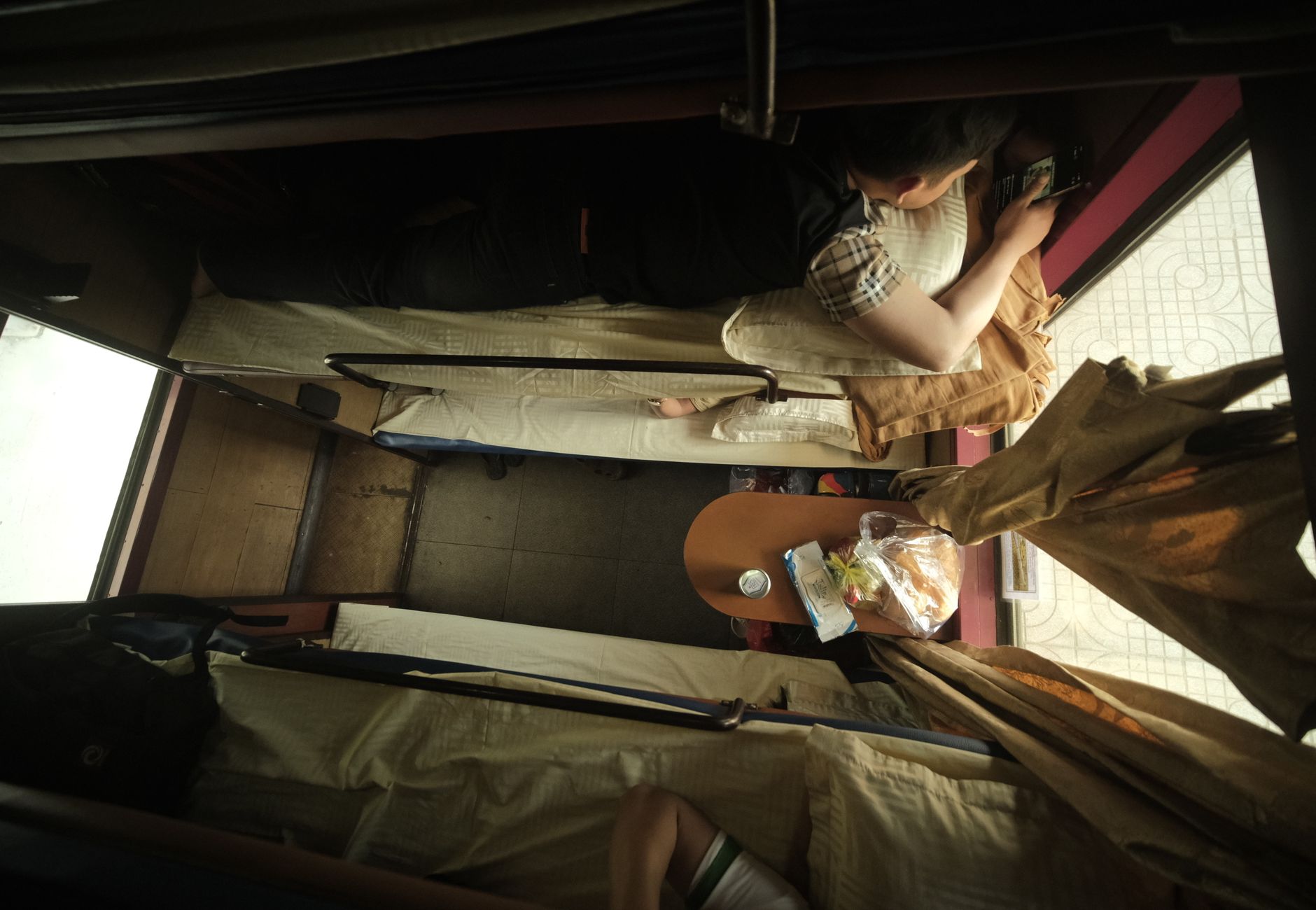 Photo by Pew Nguyen on Pexels.
Start with the railway's own website, always. Third-party booking sites like Rail Europe or various OTAs exist because national rail websites are often clunky, non-English, or require a local payment method. That convenience costs money, sometimes 20 to 40 percent extra. If you can tolerate a slightly ugly interface and a translated page, book direct. SNCF, ÖBB, and Russian Railways (where still accessible) all let you buy sleeper tickets without a middleman markup.
Timing matters more than most travelers realize. Many European night trains release tickets 90 days before departure, and the cheapest fares in the lowest class sell out within the first two weeks. ÖBB's Nightjet trains, for instance, have a handful of discounted "Sparschiene" seats per route per night. Book at day 90 and you might pay 29 euros for a couchette berth. Book at day 10 and that same berth could cost 89 euros, if it's even available.
Understand what you're actually paying for. A "sleeper" isn't one product, it's several:
- Reclining seat: cheapest, no real bed, fine for short hops
- Couchette: shared compartment, bunk beds, no privacy, budget-friendly
- Sleeper cabin (2-3 berth): private or semi-private, includes bedding
- Deluxe or single cabin: full privacy, sometimes with washbasin or shower
In India, this translates to sleeper class versus AC 3-tier versus AC 2-tier versus AC First. The jump from sleeper to AC 3-tier roughly triples the fare but adds air conditioning, bedding, and a measure of security that solo travelers, especially women, often find worth the money. Skipping straight to AC First, though, is usually overkill unless you want the novelty.
In Japan, overnight trains have mostly vanished except for a few luxury exceptions like the Sunrise Seto/Izumo, which requires booking through JR's domestic system exactly one month ahead, down to the minute, because demand vastly outstrips the limited cabin count.
graph TD
    A[Find your route] --> B{Booking window open?}
    B -->|Yes, 60-90 days out| C[Book direct on railway site]
    B -->|No, too early| D[Set a calendar reminder]
    C --> E{Which class?}
    E --> F[Couchette: budget, shared]
    E --> G[Private cabin: comfort, cost]
    F --> H[Confirm bedding included]
    G --> H
Watch for hidden fees on the back end too. Some sleeper bookings quietly exclude bedding, which then gets added at the station for a few extra dollars or euros, cash only, no receipt. Others bundle a mandatory meal you don't want. Read the fare conditions before you pay, not after you're standing in a corridor arguing with a conductor in a language you don't speak.
For long-distance trains in South America and Africa, where online booking infrastructure is thinner, the better move is often to book through a local agent or show up at the station a day or two early. Zimbabwe's overnight runs and South Africa's Shosholoza Meyl both reward patience and in-person negotiation over anything you'll find online.
The real secret isn't a hack. It's knowing that the railway's own system, however outdated it looks, is almost always your cheapest and most reliable path to a bunk that doesn't cost you double for the privilege of sleeping on rails.
Get Rail Retreat in your inbox
New posts delivered directly. No spam.
No spam. Unsubscribe anytime.