Bolivia's Death Train: Riding the Ferrocarril Oriente from Santa Cruz to the Brazilian Border
 L. Carver
Few trains earn a nickname as dramatic as El Tren de la Muerte. The Death Train. Bolivia's Ferrocarril Oriente doesn't look especially menacing when you board at Santa Cruz de la Sierra's modest terminal, but the history behind that name is real: during construction in the 1950s, workers died in such numbers from disease, snake bites, and jungle fever that the line's reputation spread far beyond the country's borders. These days the train is perfectly safe. The name simply stuck, and honestly, that's part of the appeal.
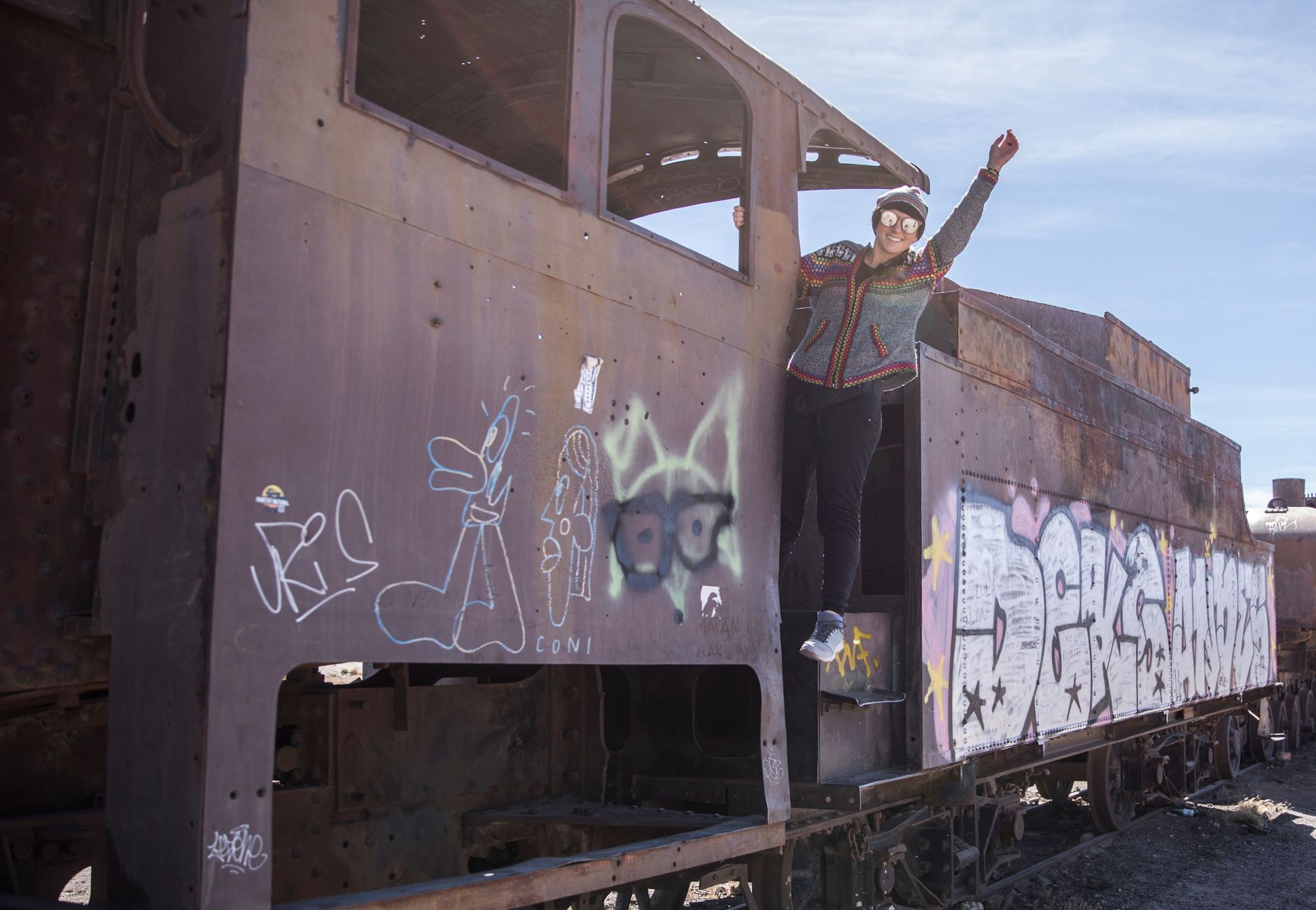 Photo by Maria Camila Castaño on Pexels.
The route runs roughly 650 kilometres southeast from Santa Cruz to Quijarro, a small border town that sits across the river from Corumbá in Brazil. You can do the journey in either direction; most travellers heading overland between Bolivia and Brazil choose to ride it at least one way. Give yourself the overnight trip. Arriving by day is fine, but the pre-dawn crossing of the Pantanal fringe, with birdsong already starting and the light coming pale and pink through the window, is worth every hour of broken sleep.
Booking and Classes
Two operators share the line: Ferroviaria Oriental runs the Expreso del Oriente, while Boliviarail operates the Ferrobus, a faster, more comfortable railbus service. Both depart from Santa Cruz's Bimodal terminal.
The Expreso del Oriente is the classic choice. It offers three classes:
- Ejecutivo: Reclining seats, air conditioning, and a little more personal space. This is the sensible option for overnight travel.
- Económico: Bench-style seating, no air conditioning, and an atmosphere that resembles a rural bus on rails. Perfectly tolerable if you're on a tight budget and a light sleeper.
- Pullman (when available): A step above Ejecutivo, occasionally offered on certain departures.
The Ferrobus cuts travel time significantly (around 12 hours versus 18-20 for the Expreso), but it sacrifices the overnight rhythm that makes the journey memorable. Speed is rarely the point on a train like this.
Book tickets in person at the terminal or through a Santa Cruz travel agent. Online booking exists but tends to be unreliable; go in person at least a day before departure to confirm schedules, which shift seasonally.
What to Expect Along the Route
Santa Cruz sits at the edge of Bolivia's lowland tropics, and the train wastes no time getting into them. Within an hour of departure, the city gives way to flat, scrubby forest broken by cattle pastures and small agricultural settlements. Stations appear at intervals: Pailón, San José de Chiquitos, Roboré, El Carmen. Some stops last five minutes; others stretch longer while cargo is loaded.
San José de Chiquitos deserves a pause if you're not rushing. The town's Jesuit mission church, a UNESCO World Heritage Site, sits right near the station. Travellers with flexibility sometimes break the journey here for a night and catch a later train onward.
Beyond Roboré the terrain shifts. Rocky outcrops push up through the forest floor, and the light changes quality entirely. This stretch, roughly three hours before the border, consistently surprises people who expected nothing but flatness the whole way.
Practical Logistics
Carry your own food and water for the overnight journey. The train has vendors who board at stations selling empanadas, fried chicken, and soft drinks, but supply is unpredictable. A small cooler bag with snacks and a filled water bottle is not excessive preparation.
Bring insect repellent. The platform stops at smaller stations involve opening the doors, and the lowland mosquitoes have opinions.
Quijarro itself is a functional border town rather than a destination. Cross into Corumbá by boat across the river, handle your entry formalities, and you're in Brazil. Corumbá connects by rail (the Estrada de Ferro Novoeste, now freight-only) and by bus to the wider Brazilian network.
Why This Journey Rewards Patience
Bolivia's Ferrocarril Oriente sits in a category of travel that rewards people who find value in process rather than just arrival. The scenery isn't the Alps. The train isn't the Palace on Wheels. What the journey offers is texture: the sound of Spanish and lowland Bolivian dialect mixing in the carriage, vendors appearing from nowhere at 2 a.m. with warm food, the Pantanal wetlands bleeding into view as dawn arrives.
Some train journeys are about spectacle. This one is about immersion. Board at Santa Cruz with time to spare, settle into your seat, and let the lowland night do its work.
Get Rail Retreat in your inbox
New posts delivered directly. No spam.
No spam. Unsubscribe anytime.