Argentina's Patagonia Express: Riding La Trochita, the Old Patagonian Express, Through the End of the World
 L. Carver
Paul Theroux wrote about it. Bruce Chatwin wandered the same Patagonian steppe on foot. But neither of them quite captured what it feels like to sit inside a creaking, steam-hissed carriage as La Trochita crawls through a landscape so vast and indifferent it makes you feel genuinely small. This train does not hurry. That is the point.
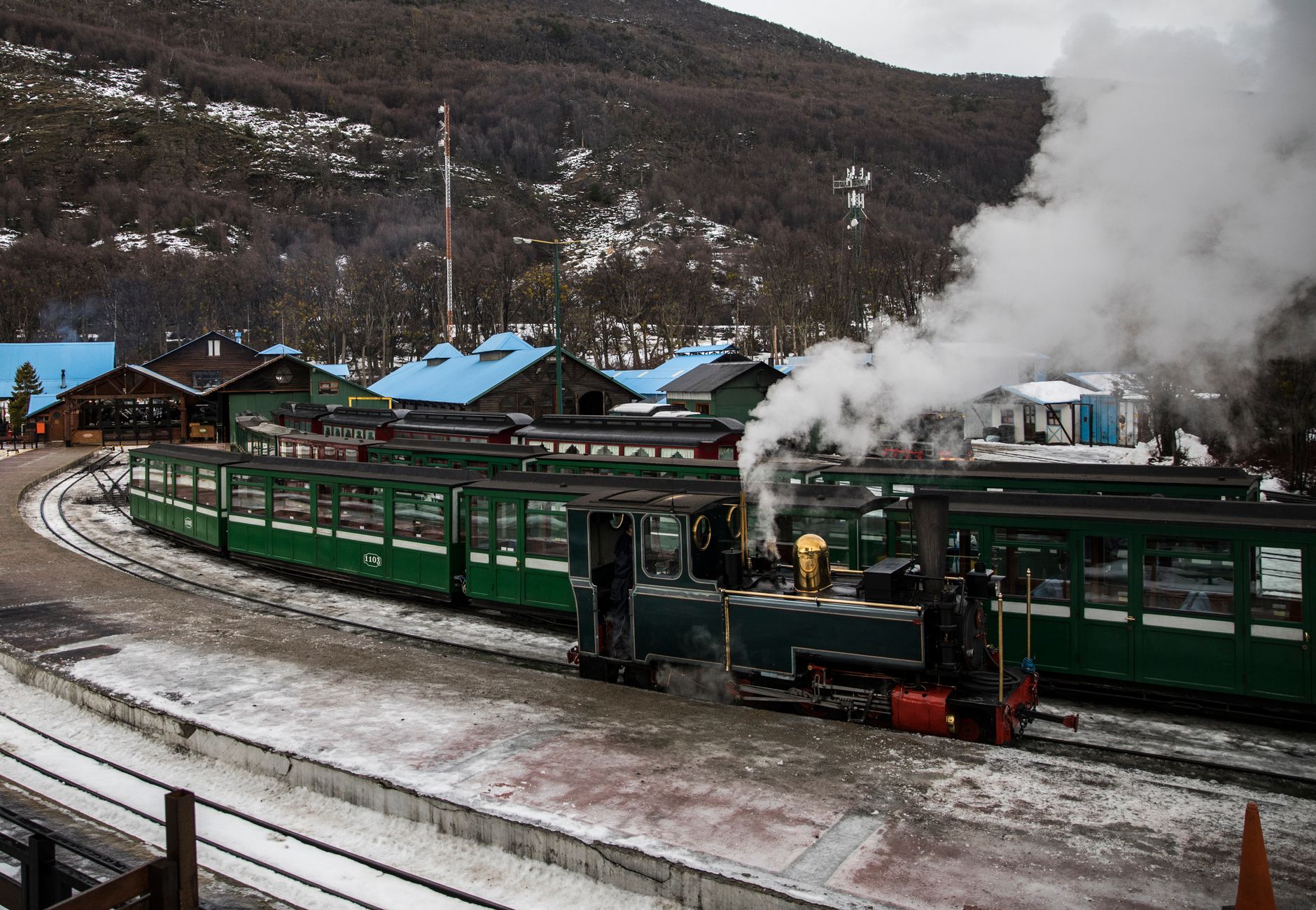 Photo by Maria Camila Castaño on Pexels.
What La Trochita Actually Is
La Trochita, officially the Old Patagonian Express, runs on a 75-centimetre narrow gauge track across the Patagonian steppe in Argentina's Chubut and Río Negro provinces. The line was built in stages between 1922 and 1945, intended to connect remote settlements and serve the wool trade. Steam locomotives imported from Germany and Belgium still pull wooden carriages across the same tracks today. The whole operation has the feeling of something that survived by accident rather than design.
The most accessible and frequently operated section runs between Esquel and Nahuel Pan, a 25-kilometre stretch that takes roughly two hours. A longer excursion to El Maitén (around 190 kilometres) operates occasionally and requires advance planning. Most visitors do the Esquel run, and it is enough.
The Journey Itself
Esquel sits at the foot of the Andes in a pocket of greenery before the steppe takes over completely. Once La Trochita leaves town, the scenery shifts fast. Scrubby coihue trees give way to open pampa. Wind bends the grass in long slow waves. The horizon is always impossibly far away.
Inside the carriages, wood panelling and original fittings have been preserved with care. Bring a jacket regardless of the season; the heating is characterful rather than reliable. A small café car sells mate gourds, empanadas, and coffee strong enough to warrant the altitude. Locals and tourists share benches without much ceremony.
What stays with you is the sound. Steam engines communicate in a way diesel trains do not: a deep rhythmic chuffing, the occasional sharp whistle across open ground, the mechanical percussion of a locomotive working against Patagonian wind. You hear this journey as much as you see it.
Practical Information
La Trochita departs from Esquel's station on weekends during the main tourist season (roughly October through April). Schedules are subject to change and the train occasionally suspends service for maintenance. Check with the Esquel tourism office or contact the station directly before building a tight itinerary around it.
Tickets are inexpensive by any international standard and can usually be bought at the station on the day, though weekend departures in January and February fill quickly. The round trip from Esquel to Nahuel Pan takes about four hours including the stop at the intermediate station, where vendors sell local crafts and you can walk around the locomotive.
Getting to Esquel requires either a flight from Buenos Aires (around two hours) or a long overland journey through the Lake District. Many travellers combine La Trochita with the Seven Lakes Route and a few days in Bariloche to the north. That combination makes for an exceptionally good two-week itinerary.
Why This Train Matters
Argentina has talked about closing La Trochita repeatedly since the 1990s. Each time, local communities and rail preservation groups have pushed back hard enough to keep it running. The train employs local staff, draws international visitors to a region with few other tourist anchors, and carries a cultural weight that economics alone cannot measure.
Steam railways of this age are genuinely rare. Working narrow-gauge lines crossing remote terrain are rarer still. The combination of intact original rolling stock, dramatic scenery, and genuine operating history puts La Trochita in a category with only a handful of trains worldwide.
Slowing down to 45 kilometres per hour across the Patagonian steppe, watching a guanaco lift its head from the grass to observe your passing, feels less like tourism and more like a negotiation with distance itself. Patagonia has always resisted easy comprehension. La Trochita does not simplify it. The train just carries you slowly through, and lets the land do the work.
Get Rail Retreat in your inbox
New posts delivered directly. No spam.
No spam. Unsubscribe anytime.