Turkey's Doğu Ekspresi: Riding the Eastern Express from Ankara to Kars Through the Heart of Anatolia
 L. Carver
Few train journeys in the world reward patience the way Turkey's Doğu Ekspresi does. The Eastern Express runs 1,310 kilometres from Ankara to Kars, threading through the high Anatolian plateau, past snow-capped peaks, frozen lakes, and villages where the 21st century feels optional. The journey takes roughly 24 hours. That is the whole point.
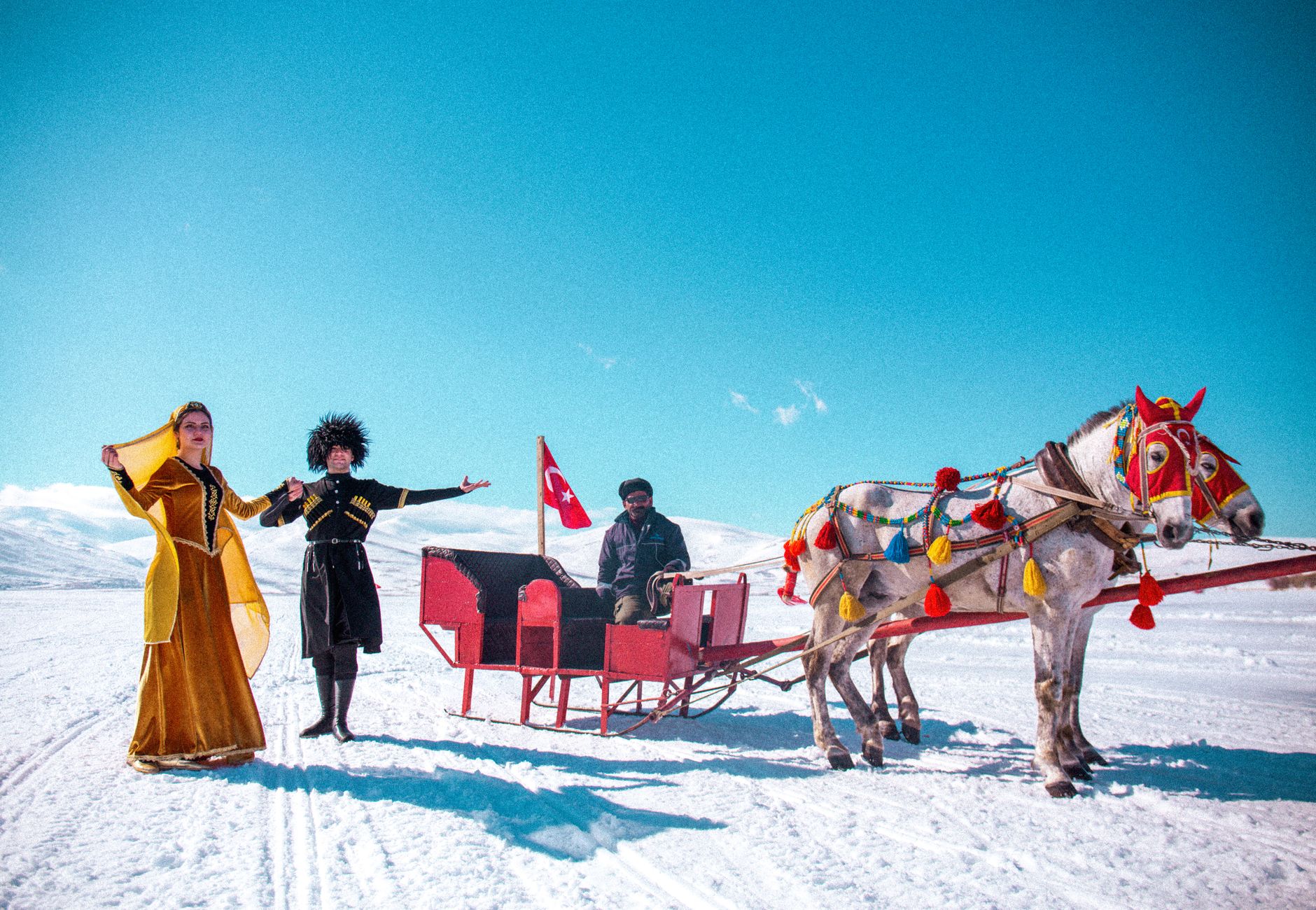 Photo by Fatih Mutaf on Pexels.
Turkish Railways (TCDD) has operated this route since 1939, and the train has become something of a cultural phenomenon in recent years. Social media discovered it around 2018, when photographs of passengers leaning from open windows into a blizzard, coffee in hand, went quietly viral. Suddenly the Doğu Ekspresi was fully booked. Locals who had ridden it out of necessity found themselves sharing compartments with photographers, travel writers, and young Turks rediscovering their own country by rail. The train handled the attention without much ceremony.
The Route and What You'll See
Boarding in Ankara, the train departs in the early afternoon and spends its first hours crossing the central Anatolian steppe. Flat, brown, vast. Some passengers find this stretch underwhelming. Give it time.
By evening, the terrain shifts. Sivas comes and goes, and beyond it the hills steepen. Sleep here if you want rest, because the best scenery arrives with daylight: the Euphrates valley somewhere near Erzincan, the jagged ridgelines east of Erzurum, and finally the slow climb toward Kars across a high plateau that averages 1,800 metres above sea level. In winter, this landscape turns fully monochrome. White fields, grey sky, the occasional stone farmhouse. It looks like a film set.
Kars itself deserves a day or two. The city carries the architectural echo of its Russian Imperial past (it was occupied by Tsarist forces for decades in the 19th century), and the ruins of Ani, a medieval Armenian capital abandoned for 500 years, sit 45 kilometres to the east. Orhan Pamuk set his novel Snow here. That connection alone draws a certain kind of traveller.
Practical Details Worth Knowing
Tickets are sold through TCDD's website (tcdd.gov.tr) and sell out weeks in advance during winter, which is peak season for the Doğu Ekspresi. Book as early as possible. Compartment options include couchettes (kuşet) sleeping six, and private two-person sleepers that are well worth the modest price difference.
The dining car serves simple Turkish food: lentil soup, grilled meat, tea in tulip-shaped glasses that never seem to empty. Bring snacks regardless. Station stops along the route are short but frequent, and platform vendors sometimes appear with bread and fruit.
A few things to pack:
- Warm layers, even in summer. The Kars plateau gets cold at altitude after dark.
- A good book or a downloaded series. Connectivity is intermittent through the mountains.
- A head torch or reading light. Cabin lighting is functional at best.
- Cash in Turkish lira for the dining car and platform vendors.
When to Go
Winter (December through February) offers the dramatic snow scenery that made the train famous, but also the coldest arrivals and the busiest booking window. Spring brings wildflowers across the steppe and more manageable temperatures in Kars. Autumn is underrated: the light turns golden over the Euphrates valley, crowds thin out, and the high plateau turns russet before the first snow.
Summer is the one season worth approaching cautiously. The central Anatolian steppe in July is dry and featureless in a way that tests even enthusiastic slow travellers. The journey still works, but the drama is muted.
Why This Train Holds Up
A lot of rail tourism sells spectacle. The Doğu Ekspresi sells something quieter: the experience of watching a country change over time, measured in hours rather than flight paths. You eat where locals eat, sleep at the same altitude as the plateau outside your window, and arrive somewhere genuinely different from where you started.
That shift is gradual and cumulative. By the time Kars appears at dawn, iron-cold and amber-lit, you understand why the journey has the reputation it does. Twenty-four hours of train travel can cover a surprising amount of ground, geographically and otherwise.
Get Rail Retreat in your inbox
New posts delivered directly. No spam.
No spam. Unsubscribe anytime.