Tanzania's TAZARA Railway: Riding the Iron Snake from Dar es Salaam to Zambia
 L. Carver
Few trains carry as much history as the TAZARA, and fewer still pass through country this raw.
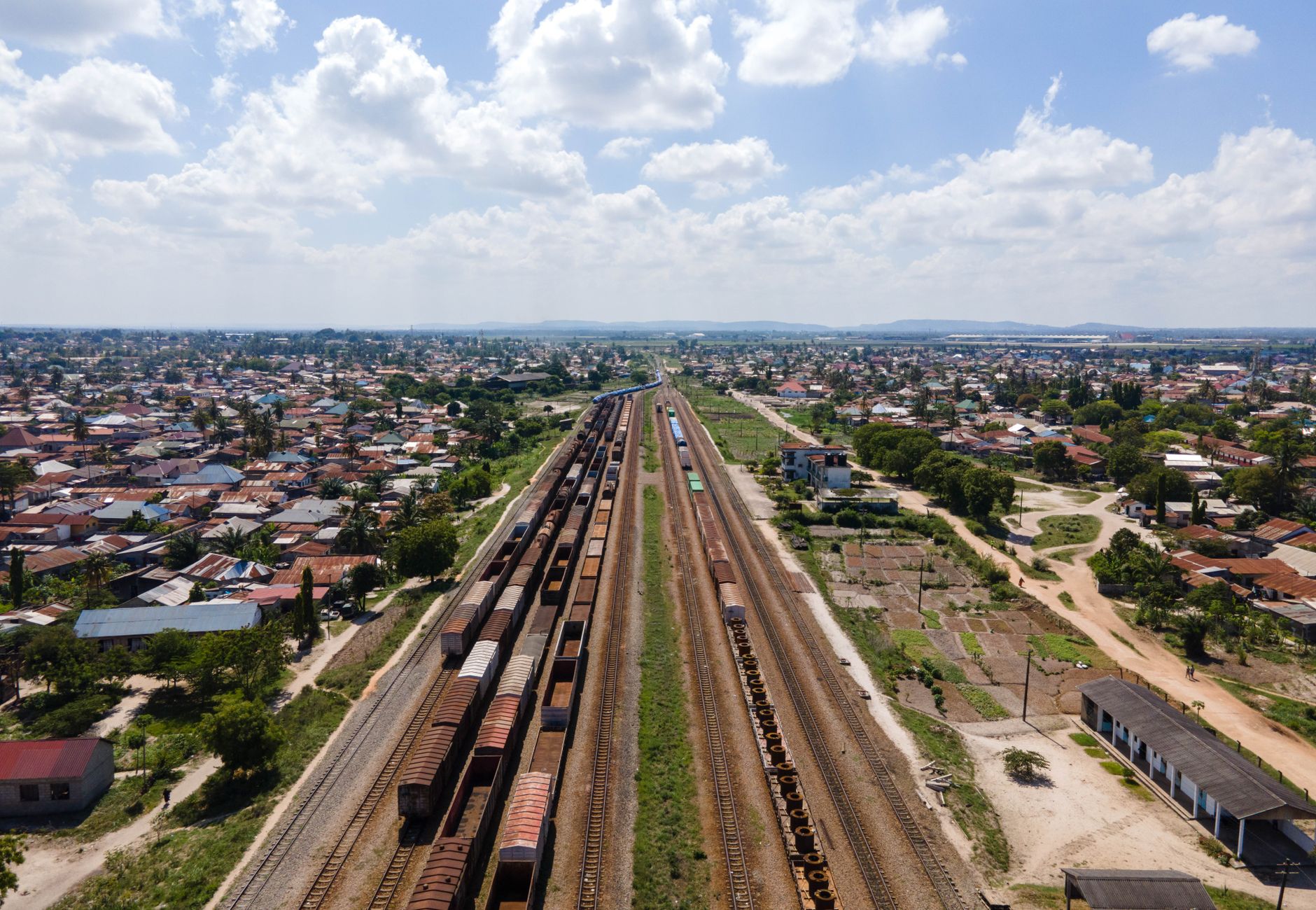 Photo by Alex Levis on Pexels.
The Tanzania-Zambia Railway Authority line stretches 1,860 kilometres from Dar es Salaam on the Indian Ocean coast to Kapiri Mposhi in Zambia's Copperbelt. Built between 1970 and 1975 with Chinese engineering and financing, the railway was Cold War infrastructure with a humanitarian purpose: to give landlocked Zambia an export route that bypassed apartheid-era Rhodesia and South Africa. Over 50,000 Chinese and 50,000 African workers laid the track across some of the continent's most punishing terrain, escarpment, miombo woodland, river gorges, and the remote Selous ecosystem. What they built still runs today.
Locals call it the Uhuru Railway, freedom railway. That name deserves to be taken seriously.
What the Journey Actually Looks Like
The express service departs Dar es Salaam twice a week and, on a good run, reaches Kapiri Mposhi in around 40 to 46 hours. Budget for longer. TAZARA schedules are aspirational by design; delays of several hours are common, sometimes caused by freight trains sharing the single-track line, occasionally by something more improvised. That uncertainty is, depending on your temperament, either the journey's greatest frustration or its greatest charm.
Three classes are available. First class means a private four-berth sleeper compartment, lockable, with a fold-down table and just enough space to feel civilised. Second class is an open-berth couchette, six bunks per compartment, and the best place to meet people. Third class is seated and very much a local experience; perfectly fine for short hops but a long way from comfortable over two nights.
The dining car deserves special mention. It serves simple East African meals, rice, beans, grilled chicken, chapati, for prices that feel almost fictional compared to European train dining. Order early. Supplies run down.
The Country Outside the Window
Out of Dar es Salaam the train climbs immediately, leaving the coast and pushing west through the Selous Game Reserve, at nearly 50,000 square kilometres, one of the largest protected areas on earth and a UNESCO World Heritage Site. Wildlife sightings from the train are not guaranteed, but they happen: elephant near the treeline, hippo on the river sandbanks, the occasional giraffe moving between acacia groves with that unhurried, tilting gait.
Past Ifakara, the miombo thickens. This is the kind of African bush that doesn't photograph well but stays with you, repetitive to the eye, immense in feeling. Villages appear briefly at halts: women with baskets of mangoes, children racing the train along the platform edge, vendors passing fried cassava through the windows in plastic bags.
The Tanzanian highlands bring cooler air and sharper ridges before the line descends toward the Zambian border at Tunduma. Cross into Zambia and the vegetation softens slightly, the light changes, and the character of the stops shifts in ways that are real but difficult to name.
Practical Notes Worth Knowing
Visa logistics matter here. Most nationalities need both a Tanzanian and a Zambian visa; check current requirements before you book, since e-visa systems for both countries change more often than you'd expect. The border crossing at Tunduma happens on the train itself, immigration officers board the carriages, but the process can extend the delay by two hours or more.
Book first-class sleepers as far in advance as possible through the TAZARA booking offices in Dar es Salaam (New Posta building, Sokoine Drive) or via a handful of reliable African overland travel agents online. The website exists but is not always reliable for live booking.
Bring your own snacks, a water bottle you can refill, a decent novel, and something warmer than you think you'll need for the highland nights. Power outlets exist in first class but work intermittently. Offline maps of the route downloaded before departure will tell you exactly where you are when you wake at 3am and peer out at nothing but darkness and stars.
Why This Route Belongs on Any Africa Itinerary
TAZARA is not a luxury train. It is not always comfortable. It runs late, the infrastructure is ageing, and the dining car runs out of chicken.
None of that is the point.
What the TAZARA offers is passage through a part of Africa that most travellers never see, not the safari parks accessible by air charter, not the coastal resorts, but the in-between: the working landscape, the small-town platforms, the long dark hours when the train rocks through wilderness that has no other road. There is a particular quality of attention that comes from two days on a slow train through remote country. You start to notice things. The way the light sits on the miombo at dusk. The rhythm of the halts. The fact that the person across from you has been on this train for their entire life, for reasons entirely different from yours.
That contrast, your journey and theirs, moving together on the same iron track, is what rail travel, at its most honest, has always been about.
Get Rail Retreat in your inbox
New posts delivered directly. No spam.
No spam. Unsubscribe anytime.